2026 First Tee Network Summit brings together 800+ leaders as organization approaches 30 years of impact

First Tee announces investment in coach development and new academic research to be released in January

AMELIA ISLAND, Fla. (Nov. 16, 2026) – First Tee is convening its full network this week at the 2026 Network Summit at the Omni Amelia Island Resort. The biennial gathering brings together more than 800 leaders from First Tee chapters across the country, alongside coaches, alumni, teens and partners, as the organization prepares to mark its 30th anniversary in 2027.

“Young people are better today because of the work First Tee does and the incredible leaders, volunteers and coaches who work tirelessly at chapters across the U.S. and in select international communities to bring it to life,” said Jay Monahan, Board Chairman. “As First Tee approaches its 30th year and prepares to share new research on the outcomes of its programs, I could not be prouder of where the organization stands today, and I am grateful to the many individuals, organizations and stakeholders that support the work at the national and local levels.”
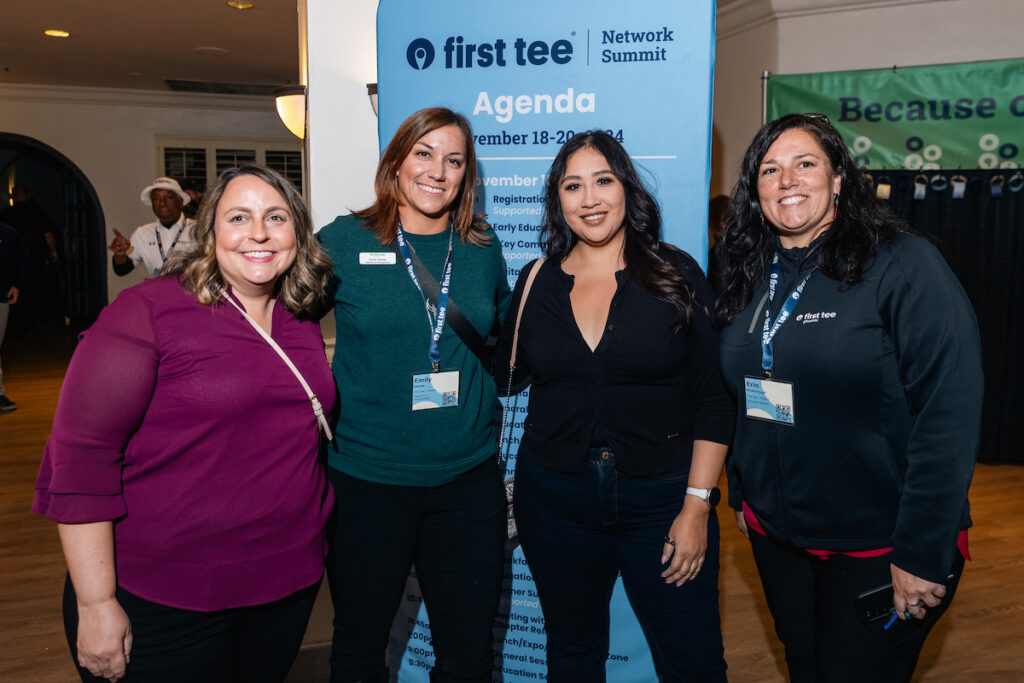
First Tee CEO Greg McLaughlin will take the main stage Tuesday to highlight network trends and upcoming initiatives, including:

  • Network Health: Over the past three years, First Tee chapters have seen positive trends in the number of participants reached, including a continued emphasis on reaching teens and underserved communities. Over the last several years, the network adopted a refreshed curriculum and integrated technology (First Tee App) and gamification into the experience.   
  • Coach Development: Over the next several years, First Tee will strengthen its investments in coach development to help retain coaches and ensure they are equipped to deliver First Tee programs. The new model shifts to more training locations nationwide, expands on-demand online education, introduces specialization tracks and provides grants to chapters who train and retain their coaches.
  • Access: As the popularity of golf continues to rise, First Tee chapters are responding by creating community-focused facilities where kids always have a place to play. Nearly one-third of chapters now own or operate a golf course, and 45 are in capital campaigns to build or expand facilities.
  • New Academic Research: Following the refreshment of First Tee curriculum and enhancements over the last five years, University of Virginia’s Youth-Nex research team was retained to lead a multi-year independent academic evaluation of First Tee’s program. These outcomes will be released in January 2027.

“Each generation of young people faces new opportunities and challenges, and it is imperative that we evolve to support them along the way,” said Greg McLaughlin, CEO of First Tee. “Our network is as committed as we were 30 years ago to have a positive impact on the young people, their families and communities. I am deeply proud of the work and grateful to all of the people that financially support First Tee and allow this work to continue.”
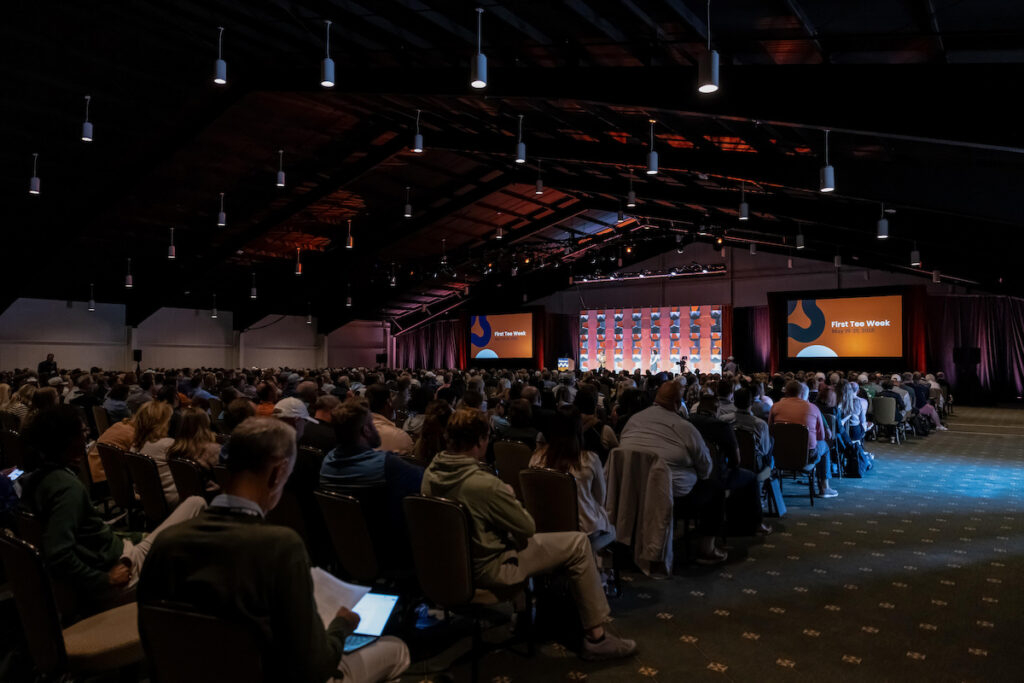
The 2026 Network Summit features expert keynotes on mental wellness, artificial intelligence and the power coaches, as well as 32 education sessions and peer-to-peer learning. Concurrent events include the Innovators Forum for 36 teens, a 20-person gathering of First Tee’s national Alumni Council and a Partner Summit for companies who are supporting and activating within First Tee’s mission.

The network will recognize its Coach, Teacher, Volunteer and Leader of the Year, as well as First Tee’s inaugural Distinguished Alumni Awards. The week will conclude with a celebration dinner on Wednesday, Nov. 18, where it will bestow its Founders and Lifetime Achievement awards.

The Summit is made possible by corporate partners, including Johnson & Johnson, Next Round Golf, Rockefeller Global Family Office, Golf Digest, Sompo Insurance, Gallagher, CapTech, SAGA Foundation, John Deere, FootJoy, GolfGen, PwC, CDW, Nature Valley, AWS, PGA TOUR Superstore, Jones Sports Company, Xact Xpressions and XtraPoint.
Piñon Hills Academy Students Build Confidence at Riverview

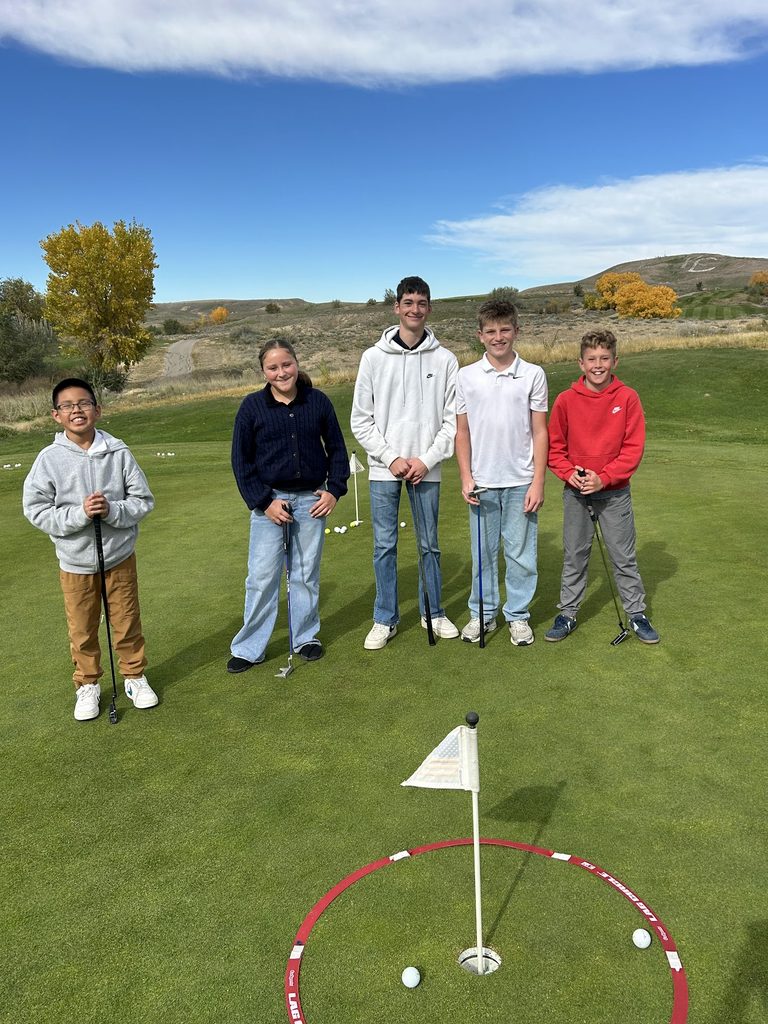
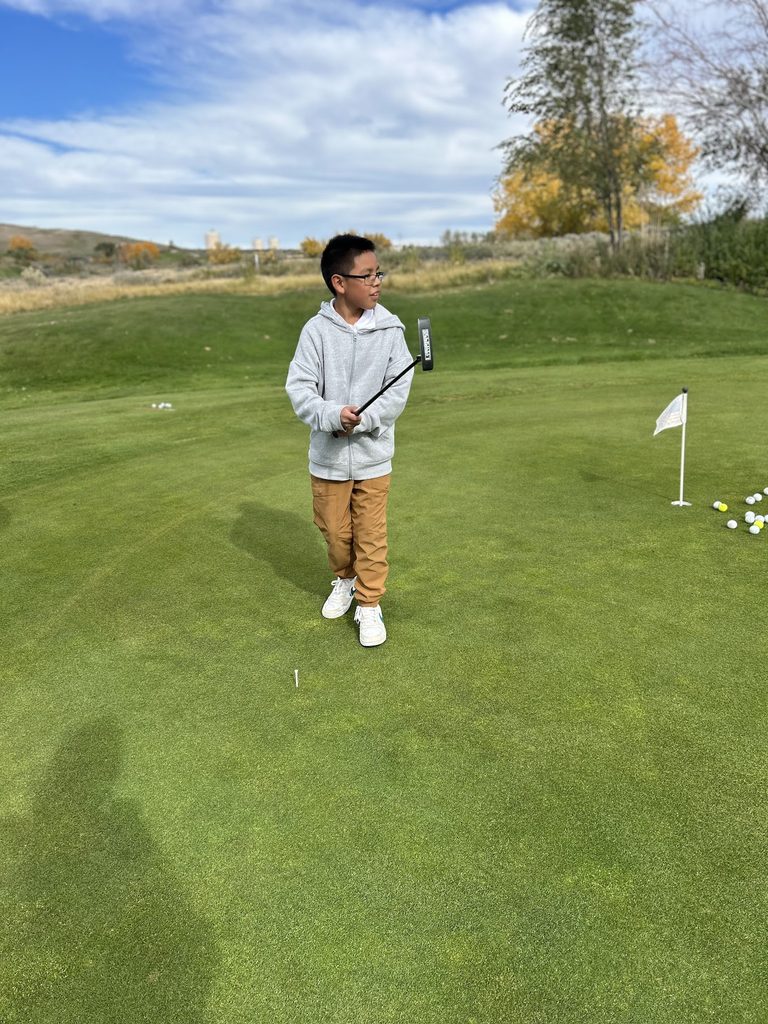
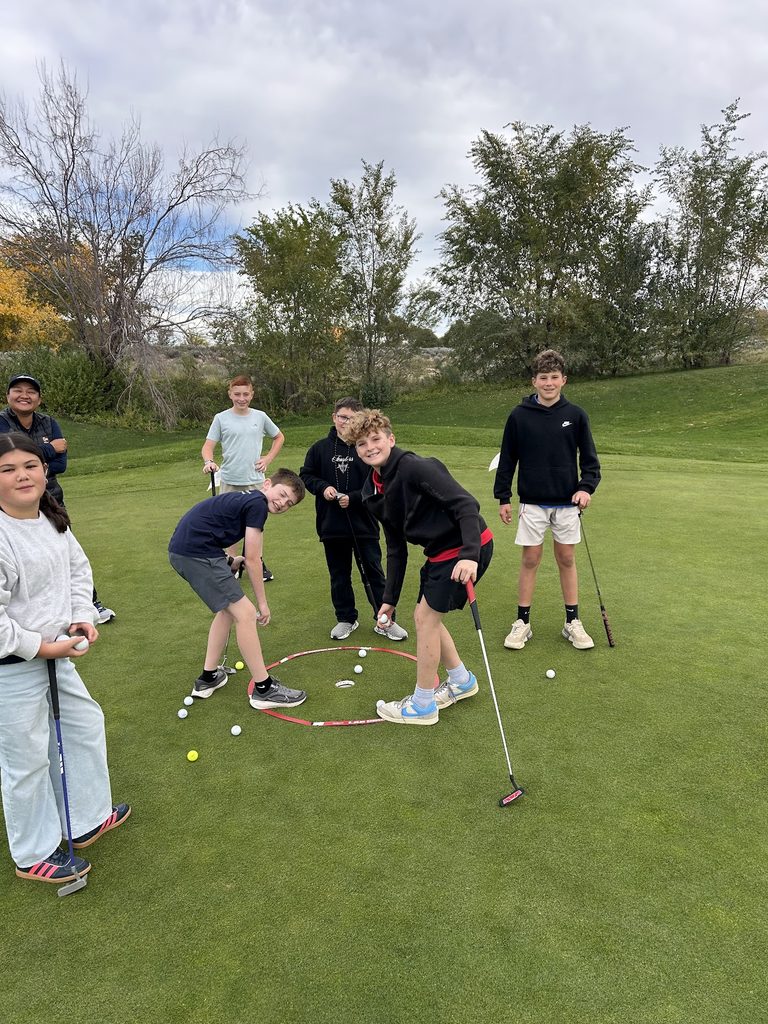
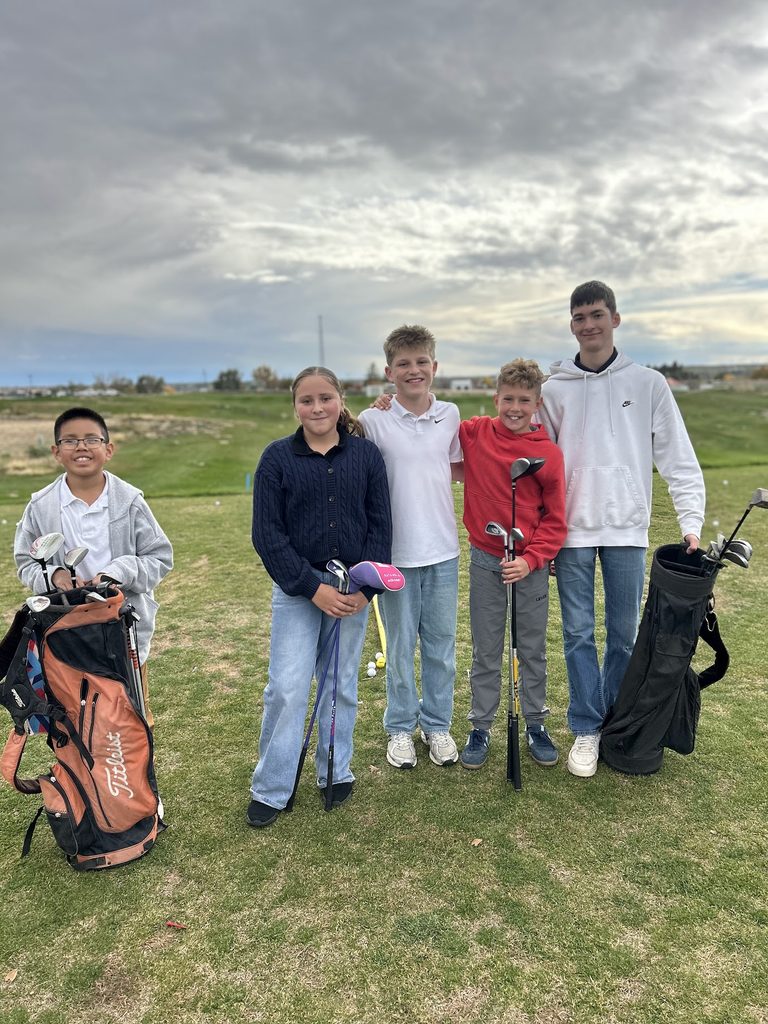
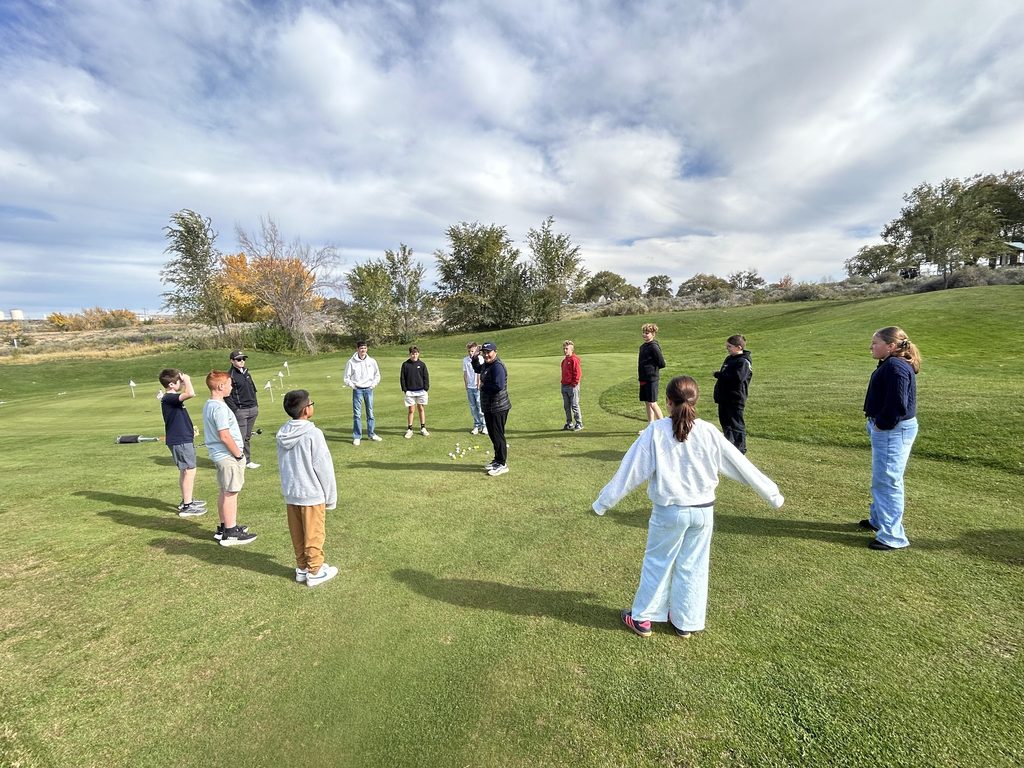
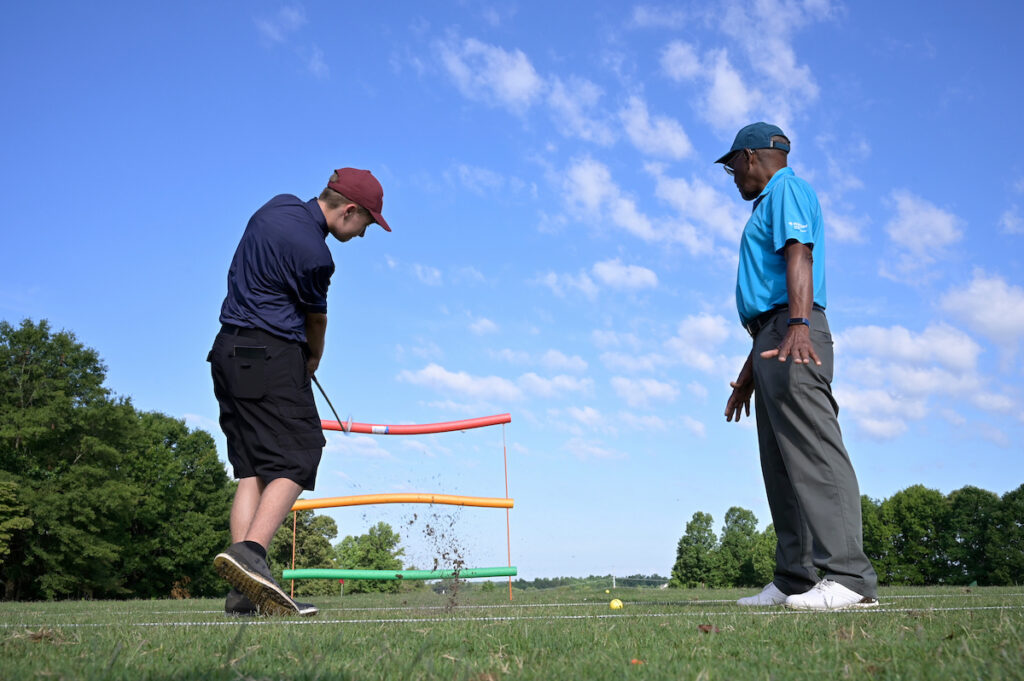
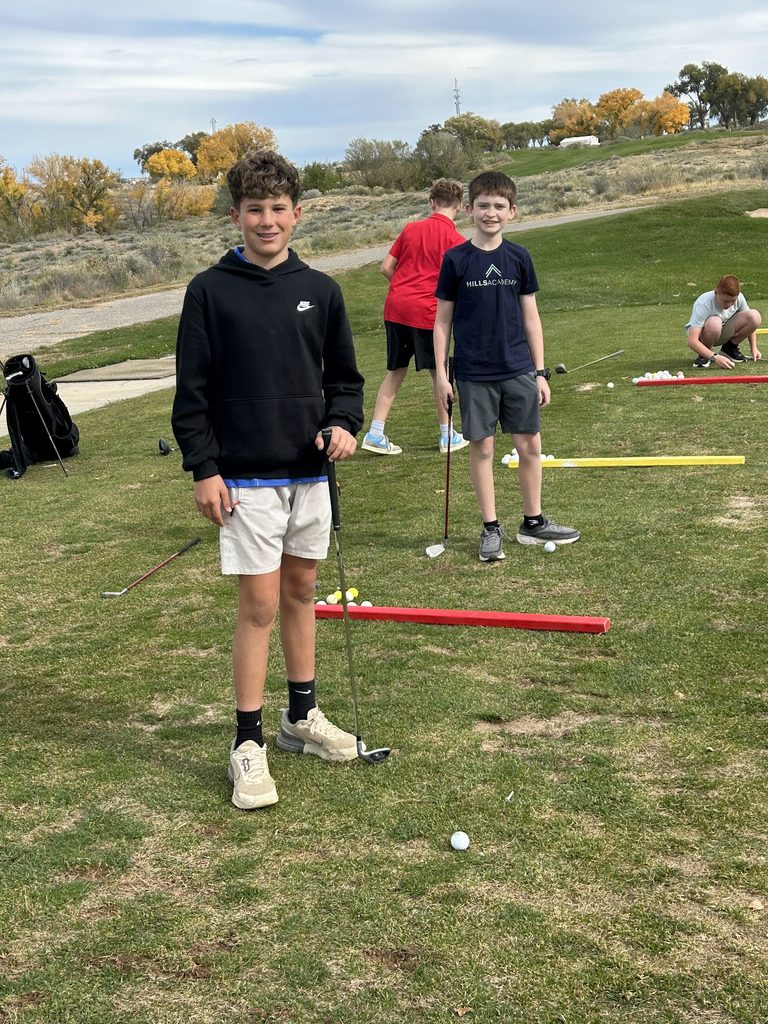
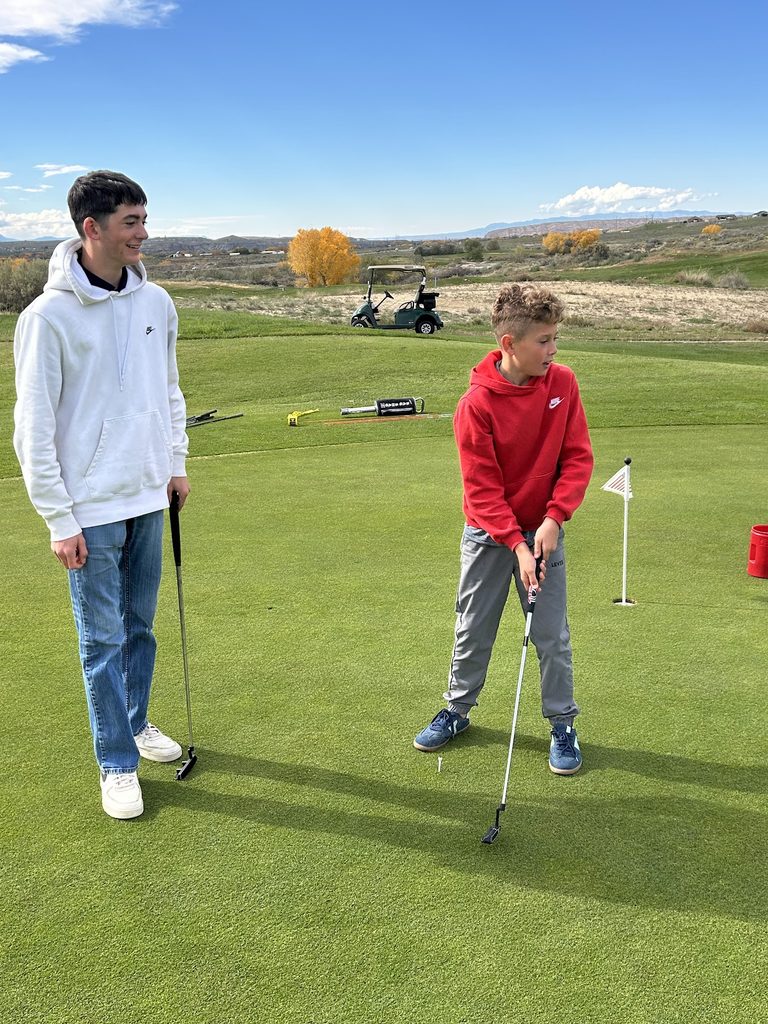
A little instruction, some creative games, and a chance to try something new—Piñon Hills Academy students discovered just how much fun golf can be during a recent workshop with First Tee – Four Corners at Riverview Golf Course.

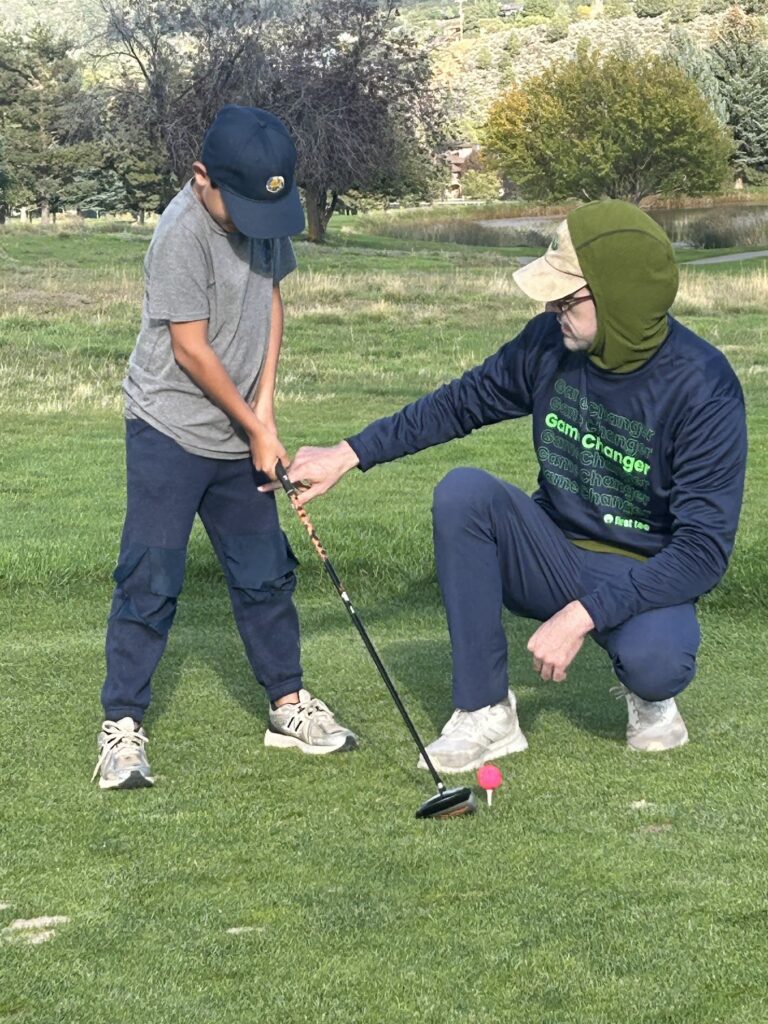
Students spent time hitting balls on the driving range, receiving both group instruction and individual guidance. They also explored the short game and put their newly learned skills into practice through games that brought an extra dose of fun to the experience.

Throughout the workshop, one word connected everything: confidence. Each activity gave students an opportunity to practice believing in themselves, taking on a challenge, and continuing to try as they learned something new.

One of the best parts of the day was seeing students surprised by how much they enjoyed the game. A visit to the golf course became an opportunity to discover a new interest while practicing skills that matter beyond golf.

Thank you to Pinon Hills Academy for joining us for a day of learning, play, and building confidence!

Volunteering matters for kids and teens. Here are 4 tips to get started. 

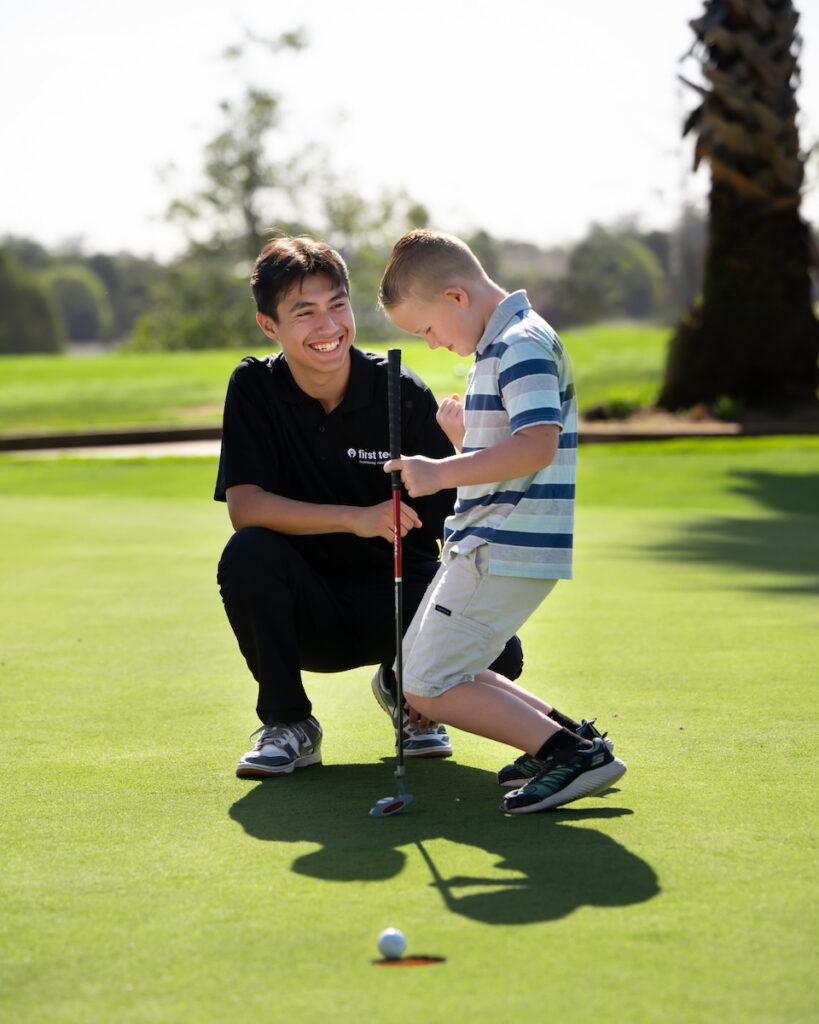
A junior coach helps a younger player sink a putt

Volunteering helps young people build confidence, empathy and leadership skills that last a lifetime. When they give their time to help others, something powerful happens – they experience being a game changer. 

At First Tee, we see this every day. Whether participants are mentoring younger peers at a chapter program, supporting a community event or lending a hand at a local service project, volunteering gives them a chance to put life skills into action in ways that matter to the people around them. 

  • It grows confidence and leadership skills. Taking on a real responsibility tells a young person that others are counting on them. Speaking at a fundraiser, sorting donations or serving as a standard bearer at a golf tournament helps build confidence and communication skills. Many teens discover leadership abilities they did not know they had. For many First Tee teens, that leadership journey includes the chance to serve as a volunteer junior coach. Working alongside experienced coaches, teens guide younger participants through lessons and activities, practicing communication and mentorship while giving back to the program that helped shape them. Teens interested in coaching should ask their local chapter about opportunities. 
  • It builds empathy and perspective. Volunteering introduces young people to experiences and neighbors they might not otherwise meet. Serving a meal, cleaning up a park or mentoring a younger child helps kids understand that every person has a story and that small acts of kindness can change someone’s day. Volunteering can help kids and teens learn to appreciate diverse perspectives and overcome differences.  
  • It prepares them for what comes next. Volunteer experience gives teens meaningful stories to share on college applications, scholarship essays and job interviews. More importantly, it helps them discover what they care about and where they want to make a difference. It also helps teens build self-confidence because they know they can make a difference. 

How families can get started 

  • Begin small. A single afternoon project is a great first step, and it often leads to more. 
  • Volunteer together. Serving alongside a parent, sibling or friend makes the experience more fun and models the value of giving back. 
  • Reflect afterward. Ask what they noticed, what surprised them and what they would like to do next. Those conversations turn an activity into a lasting lesson. 
  • Look close to home. Local First Tee chapters, schools, faith communities, libraries and food banks often have youth-friendly opportunities. 
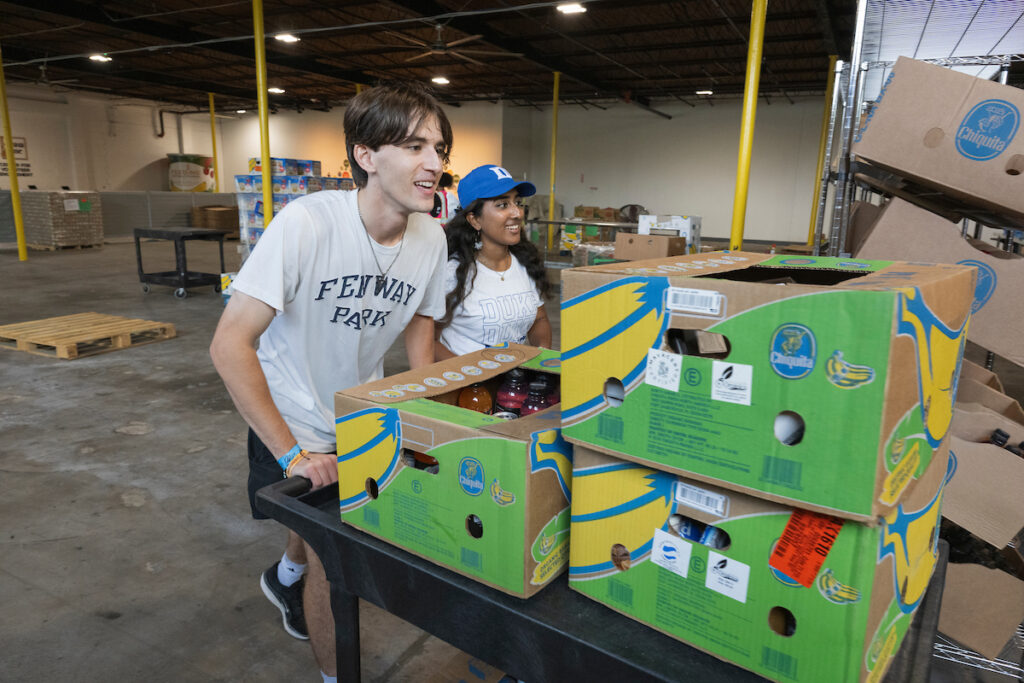
First Tee Scholars volunteer at a food bank

For teens ready to take service to the next level, First Tee’s Innovators Forum offers a unique opportunity. Each November, teens from First Tee chapters across the country come together to learn from business and nonprofit leaders and develop a community service project focused on education, health, human rights or environmental sustainability. They then bring those projects back home to make a difference in their own communities. This year’s event takes place November 15-19 on Amelia Island, Florida. 

To learn how your child can build life skills and give back through First Tee, find a chapter near you at firsttee.org. Learn more about how to support First Tee and its life skills programming.

Taking healthy risks doesn’t have to be scary this Halloween

For adults and kids alike, it can feel frightening to try something new, but confidence isn’t built by avoiding every uncertain moment. It’s built by walking into something unfamiliar and coming out the other side.
First Tee coaches are trained to meet every participant where they are, then gently stretch what they believe is possible. They use games and activities than can be altered based on a player’s abilities, said Derek Clemmensen, director of programs at First Tee – Naples/Collier and a member of First Tee’s national Programs Council.

“If a youth is more advanced, we add layers to the challenge,” he explained. “In a chipping game, for example, we might ask them to pick their landing spot ahead of time instead of only focusing on where the ball finishes. If a participant is newer to the game, we broaden the target or simplify the task so they feel successful while they build that skill. The goal is the same for everyone: Each kid is stretched just enough to grow, and no one is stuck feeling bored or in over their head.”

A coach works with a player on a chipping drill

Participants learn the three “I am” statements to help build positive self-identity:

  • I am finding my self-confidence.
  • I am discovering what I’m capable of.
  • I am safe to be myself.

“At First Tee, our coaches are trained to create an environment where kids feel safe, and that safety is what makes it possible for them to take on a challenging skill,” Clemmensen said. “They know their coaches and their peers are supporting them, so the uncomfortable moment still feels safe.”

Keep the goal attainable. Healthy risk-taking works best in small, manageable doses. A child who has never liked crowds doesn’t need to make it through the biggest haunted house in town to practice courage. Visiting a few neighbors for candy is its own accomplishment, and it’s more likely to leave your child with a positive memory of stepping outside of their comfort zone.

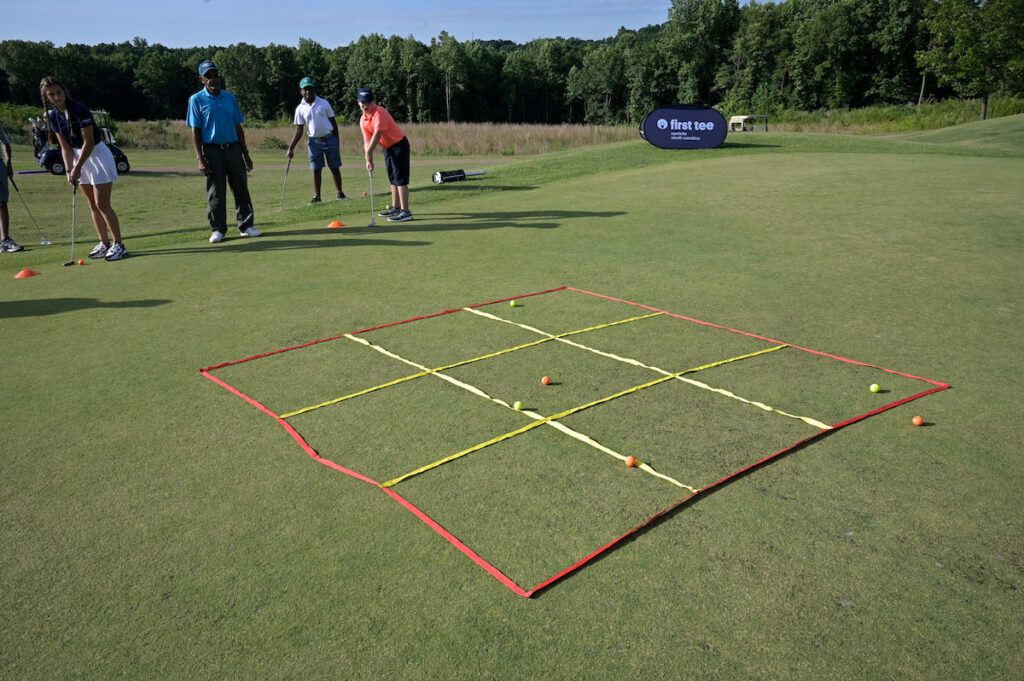
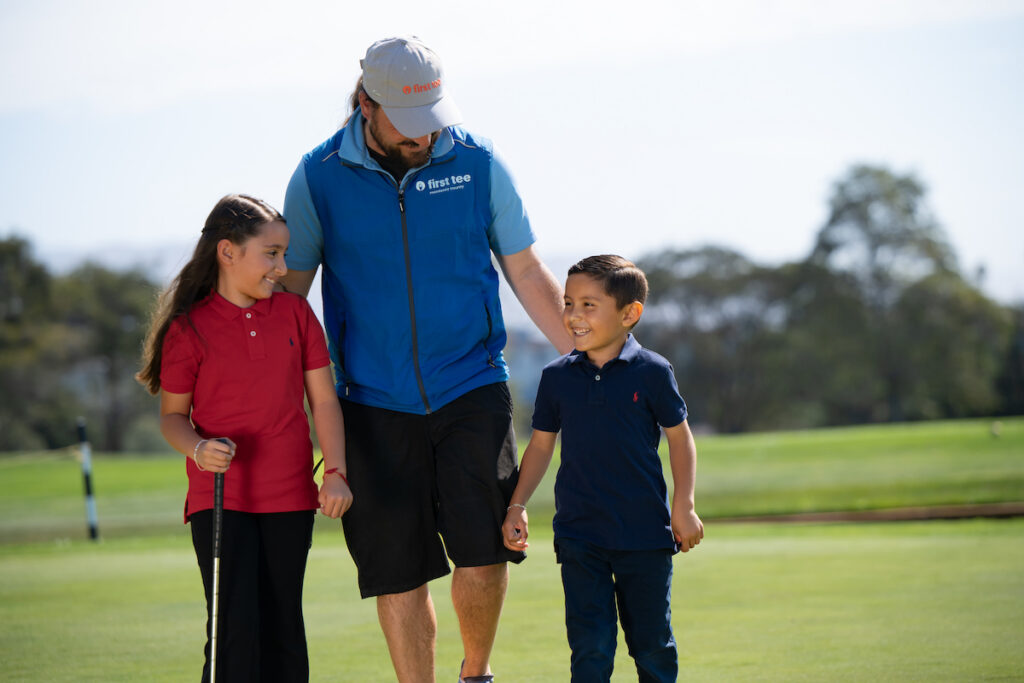
Kids play tic tac toe putting

Resist rescuing too early. “Feeling uncomfortable is a normal part of trying something new or difficult, and it’s often where the most growth happens,” Clemmenen said.

If a child hesitates at a neighbor’s door on Halloween or wants to turn back on the haunted trail, don’t force it. But it’s important to recognize that there’s a difference between genuine distress and productive discomfort. Most of Halloween’s risk lives in the second category, exactly where confidence gets built.
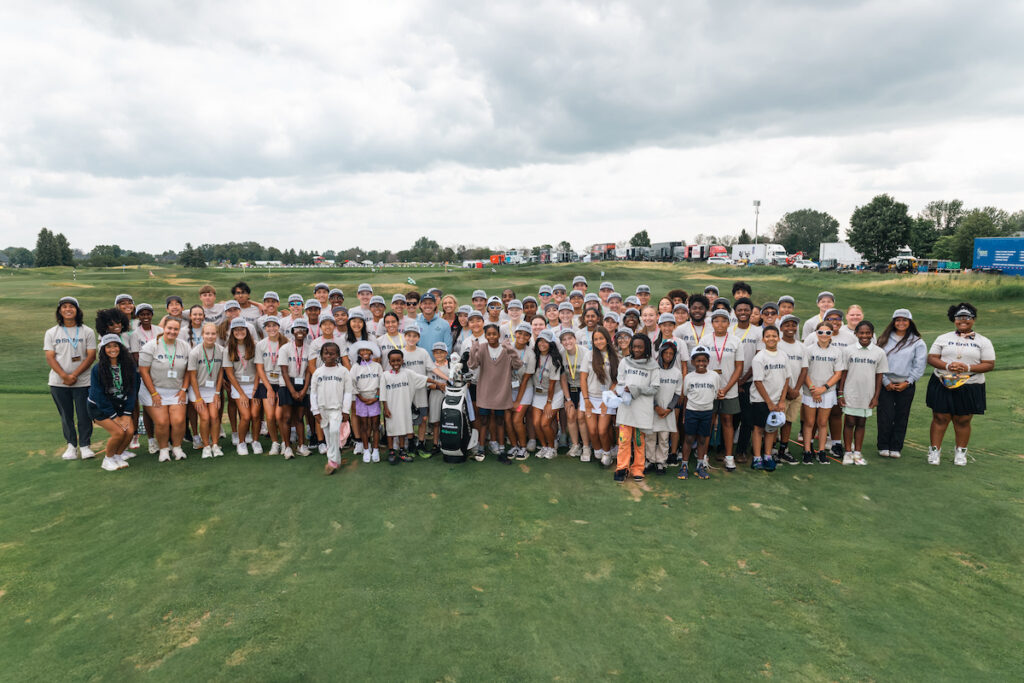
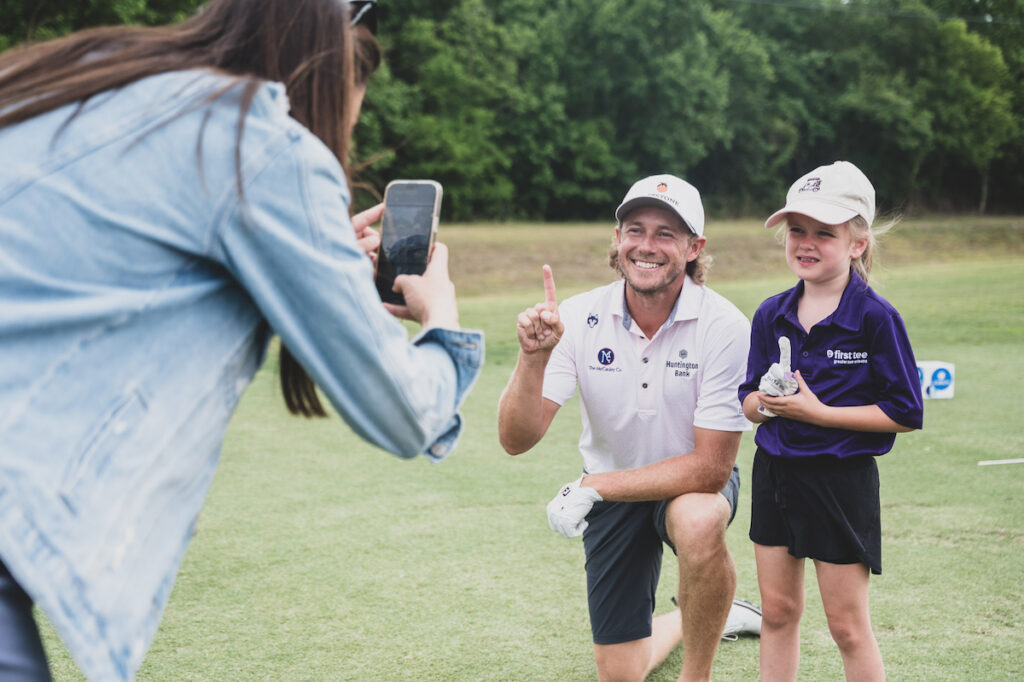
Follow with a debrief. “What was the scariest part, and how did you get through it?” It’s a quick conversation that reinforces to your child that they can handle new experiences. It turns a one-time thrill into a repeatable strategy for the next unfamiliar situation — a new school year, a new team or a new challenge on the course.

Find a First Tee program near you or learn about supporting our efforts to help kids build confidence and grow into game changers.

Leadership in Action: Connecting Young People with Community Leaders

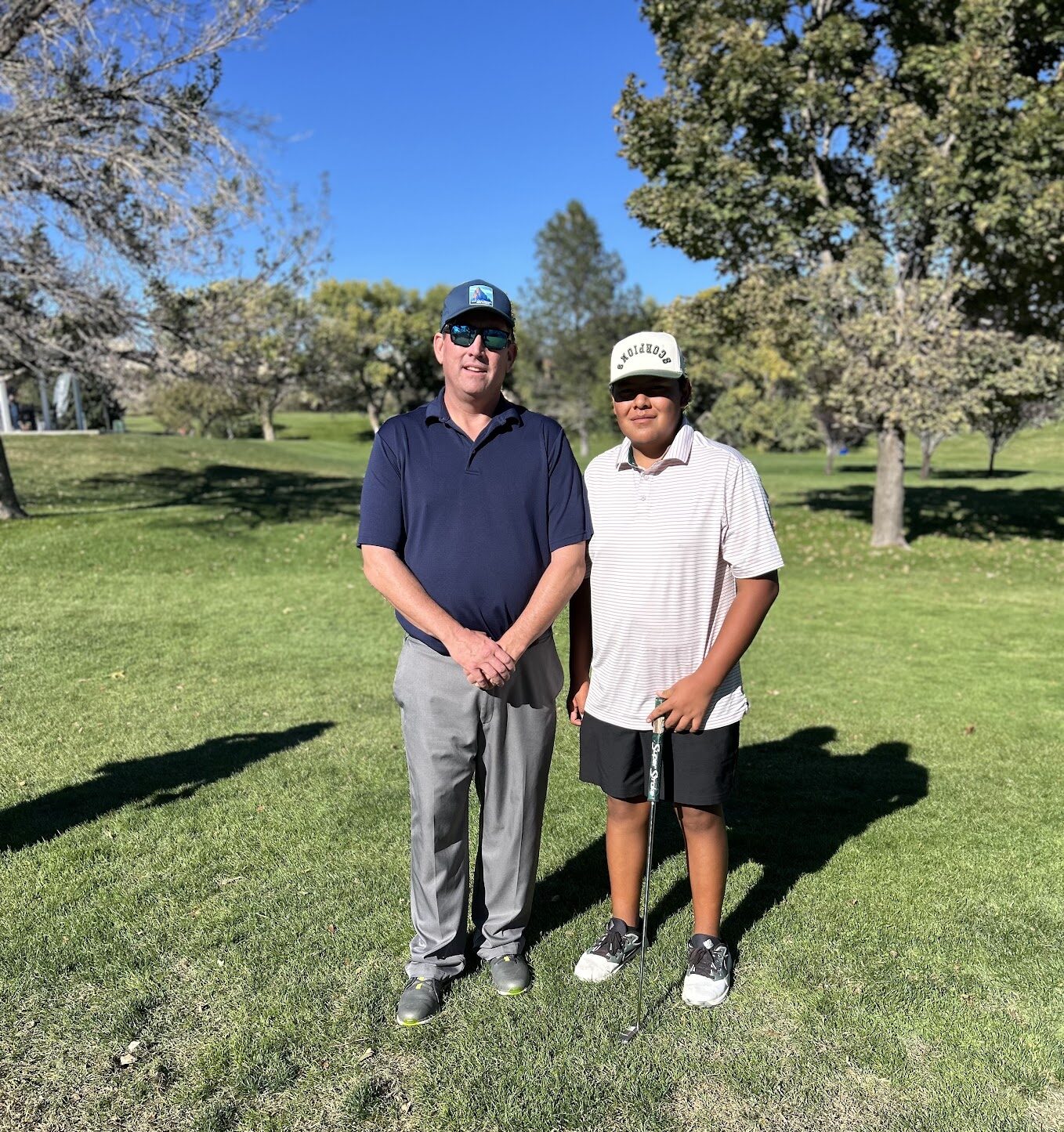
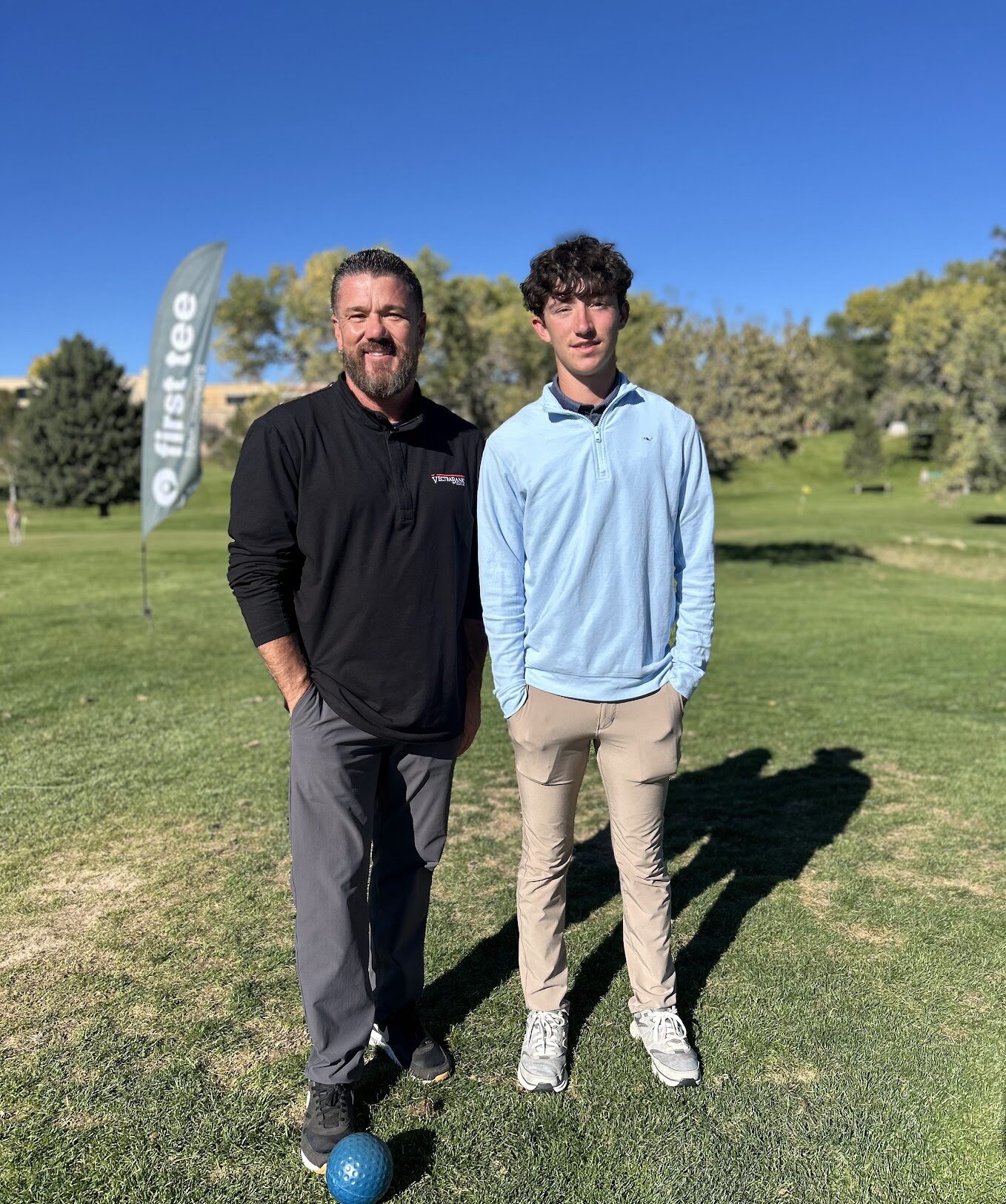
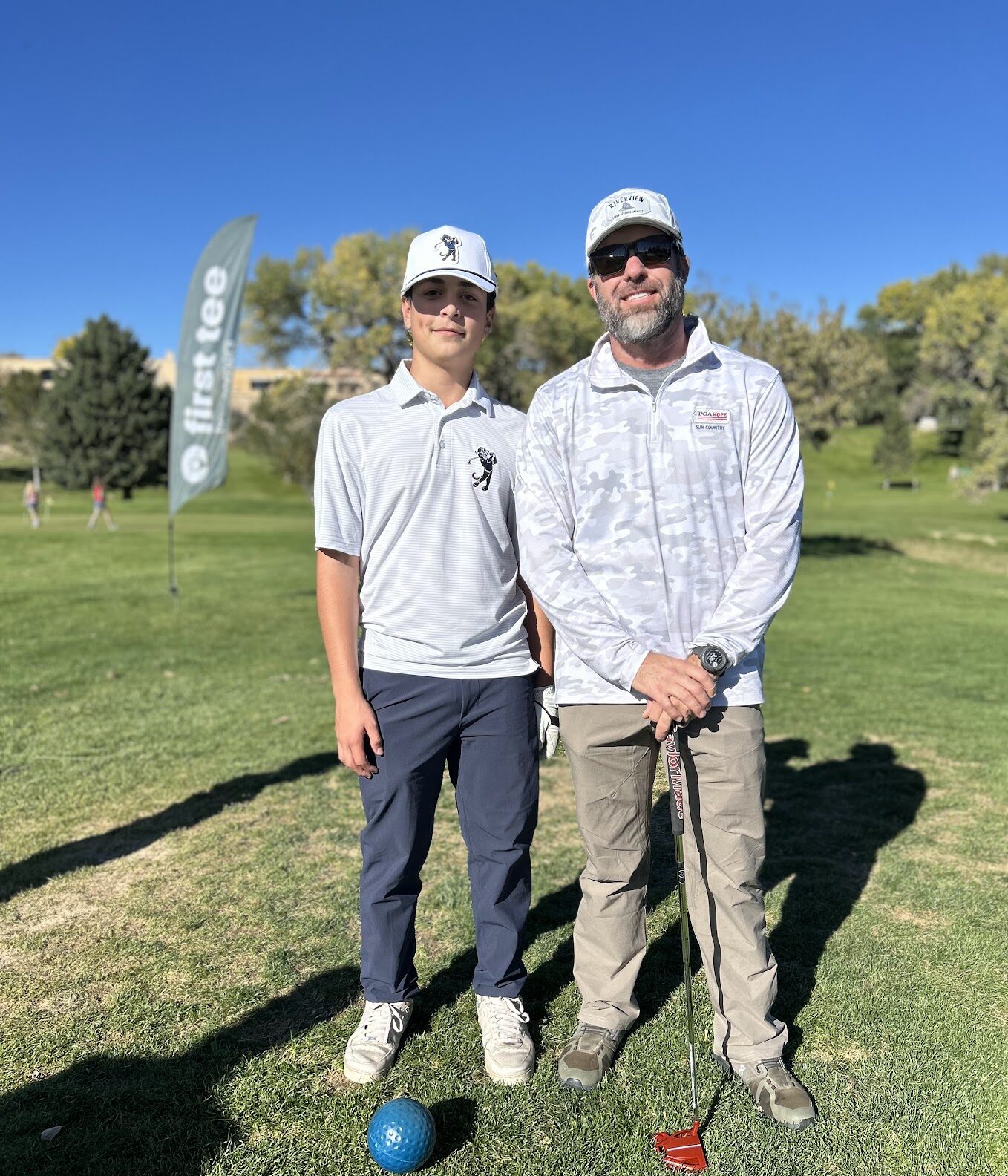
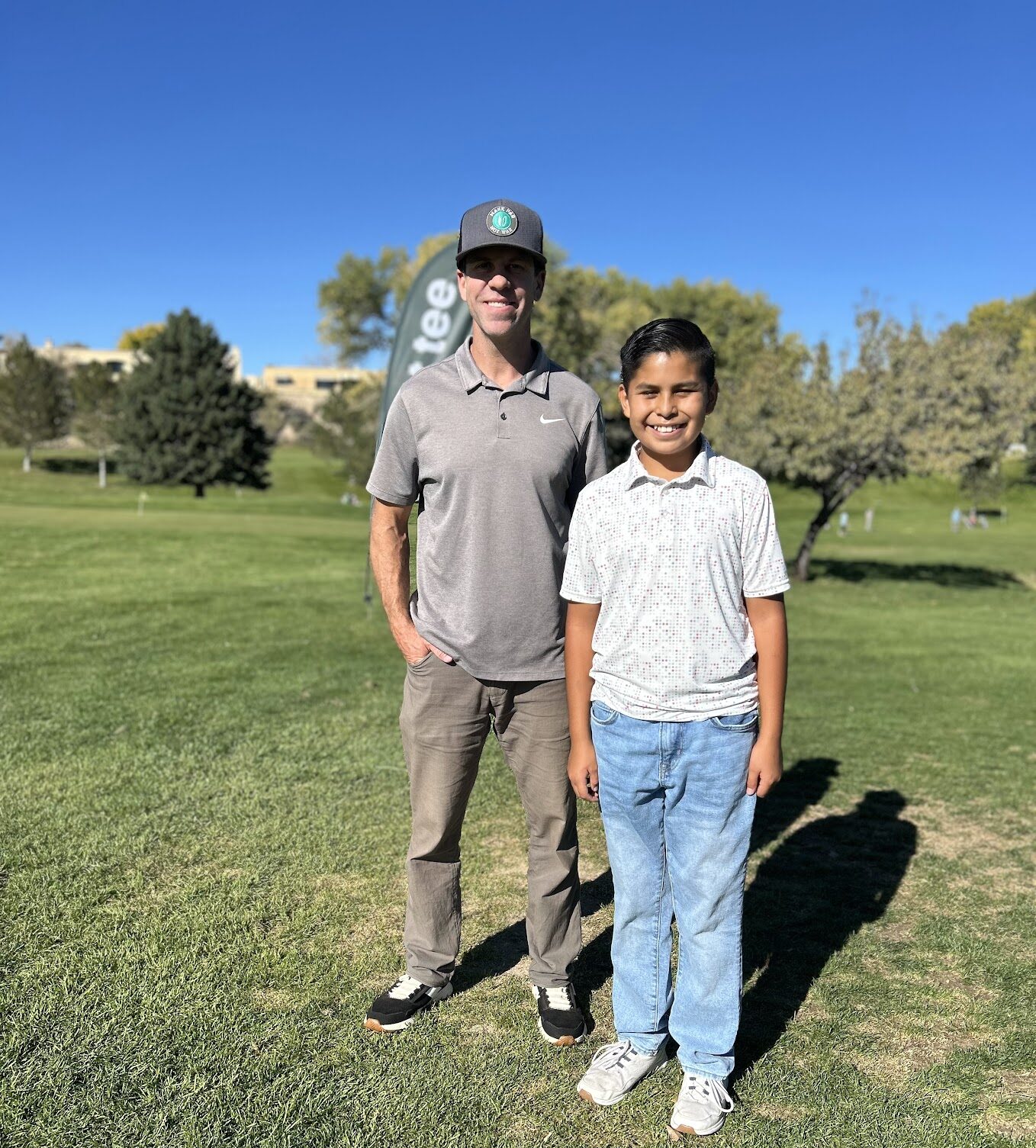
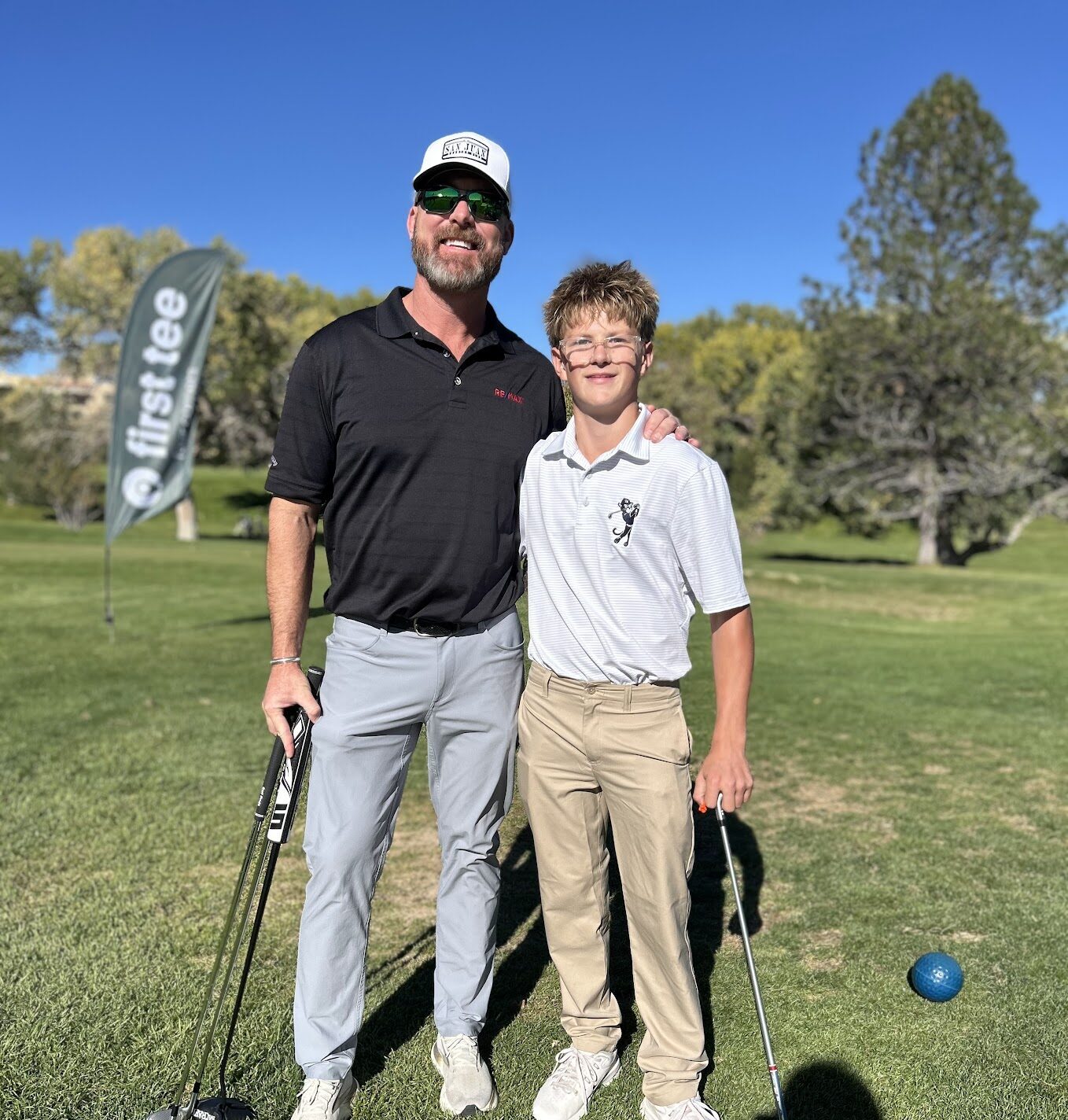
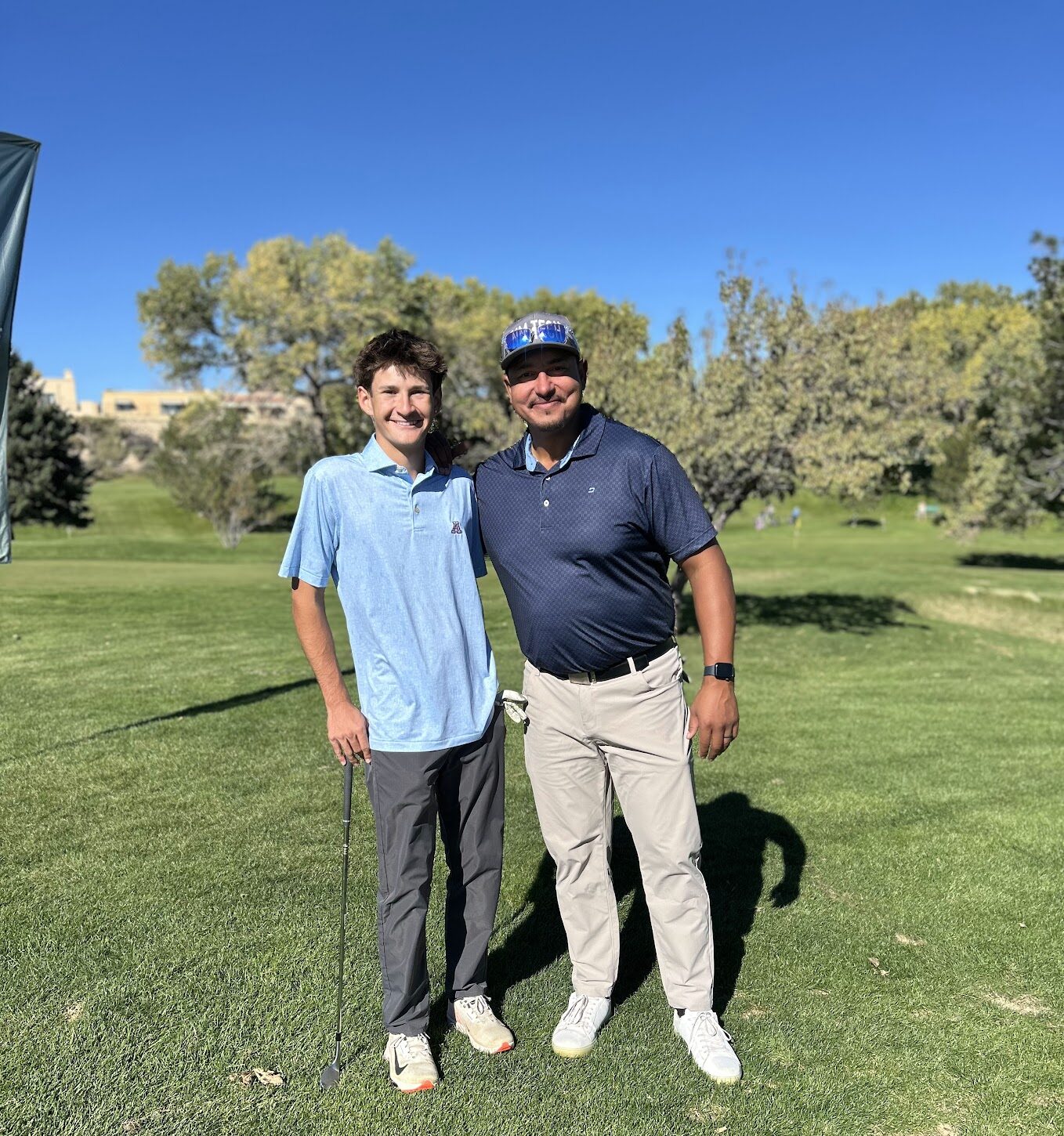
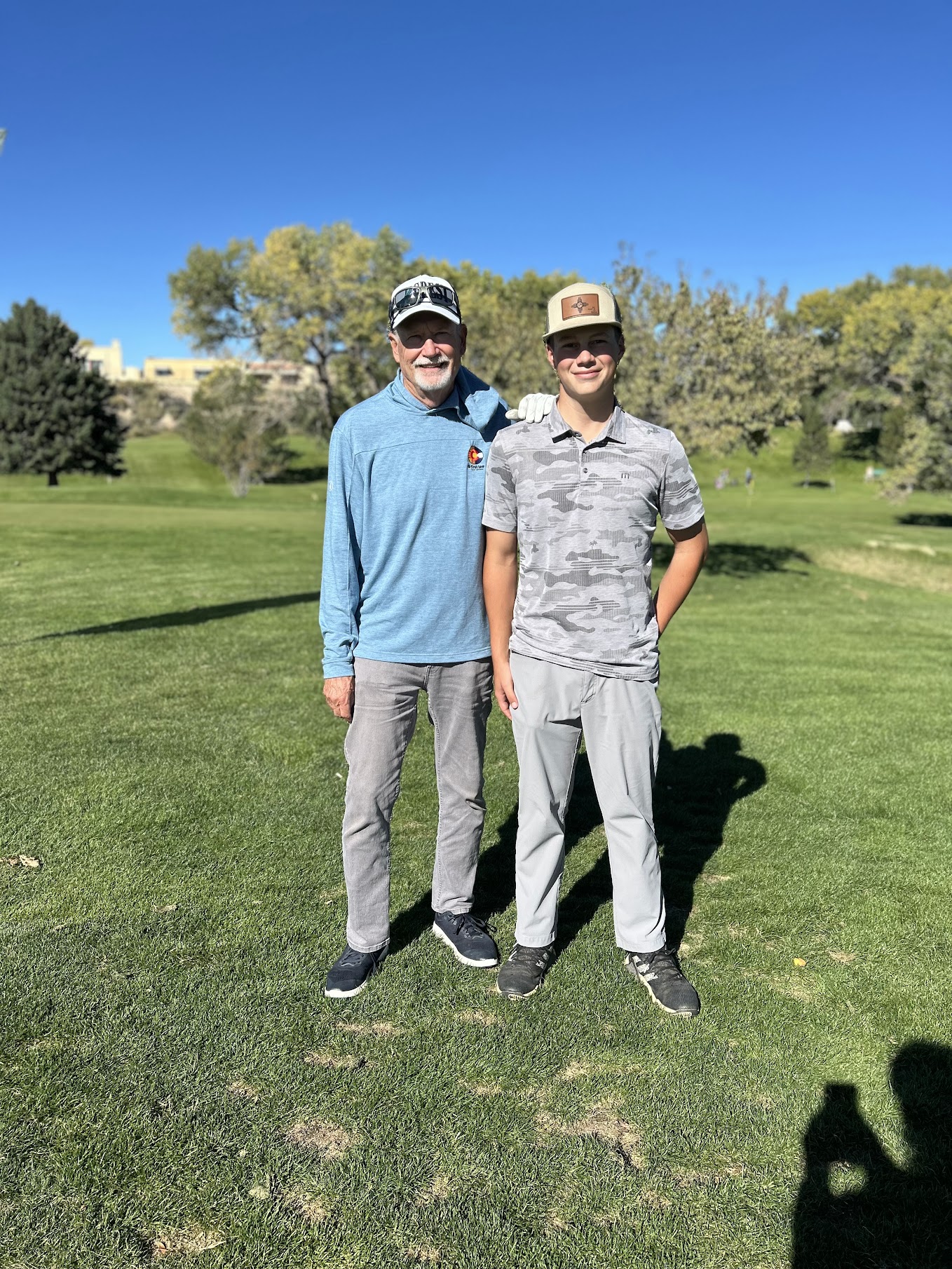
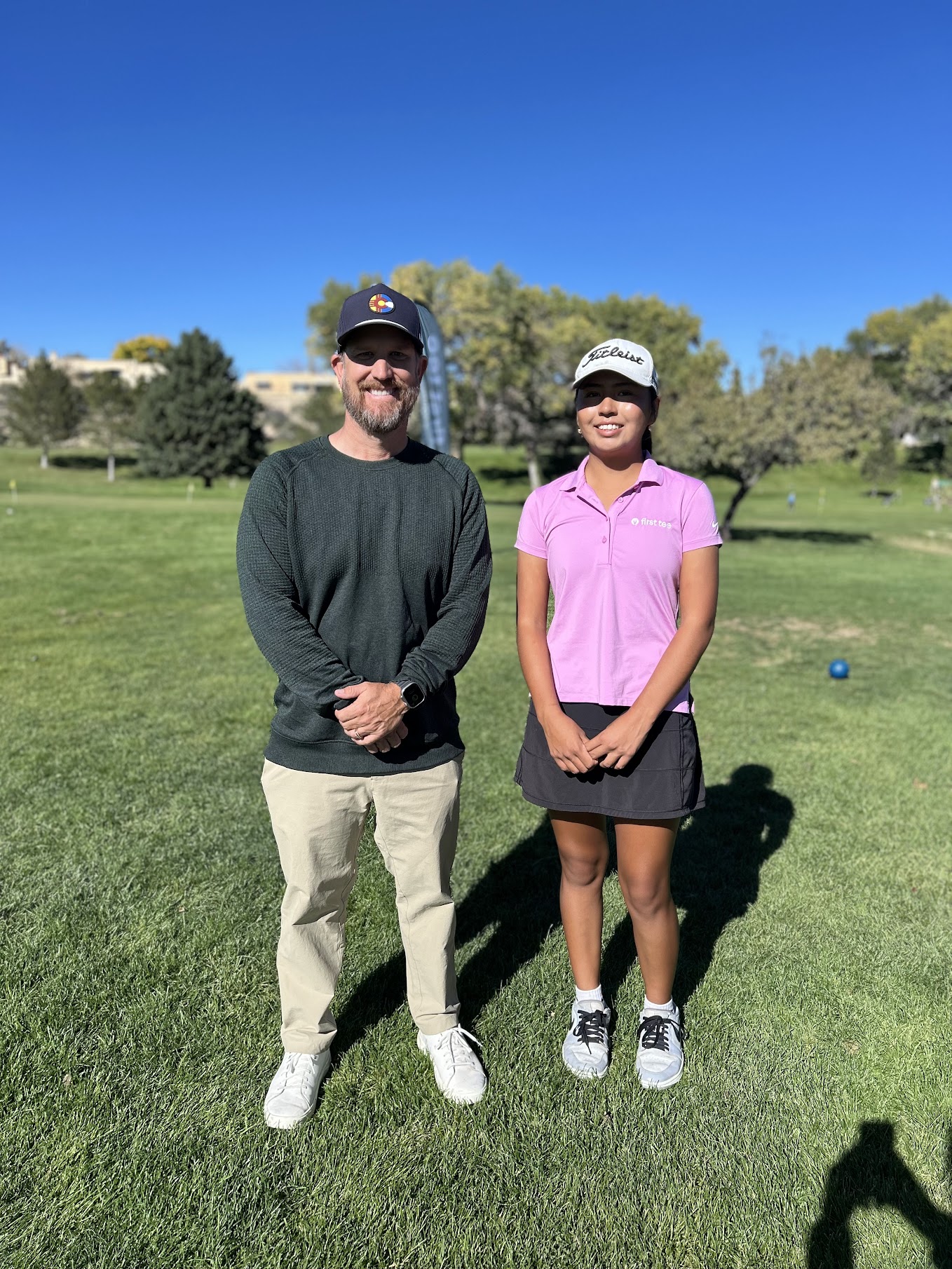
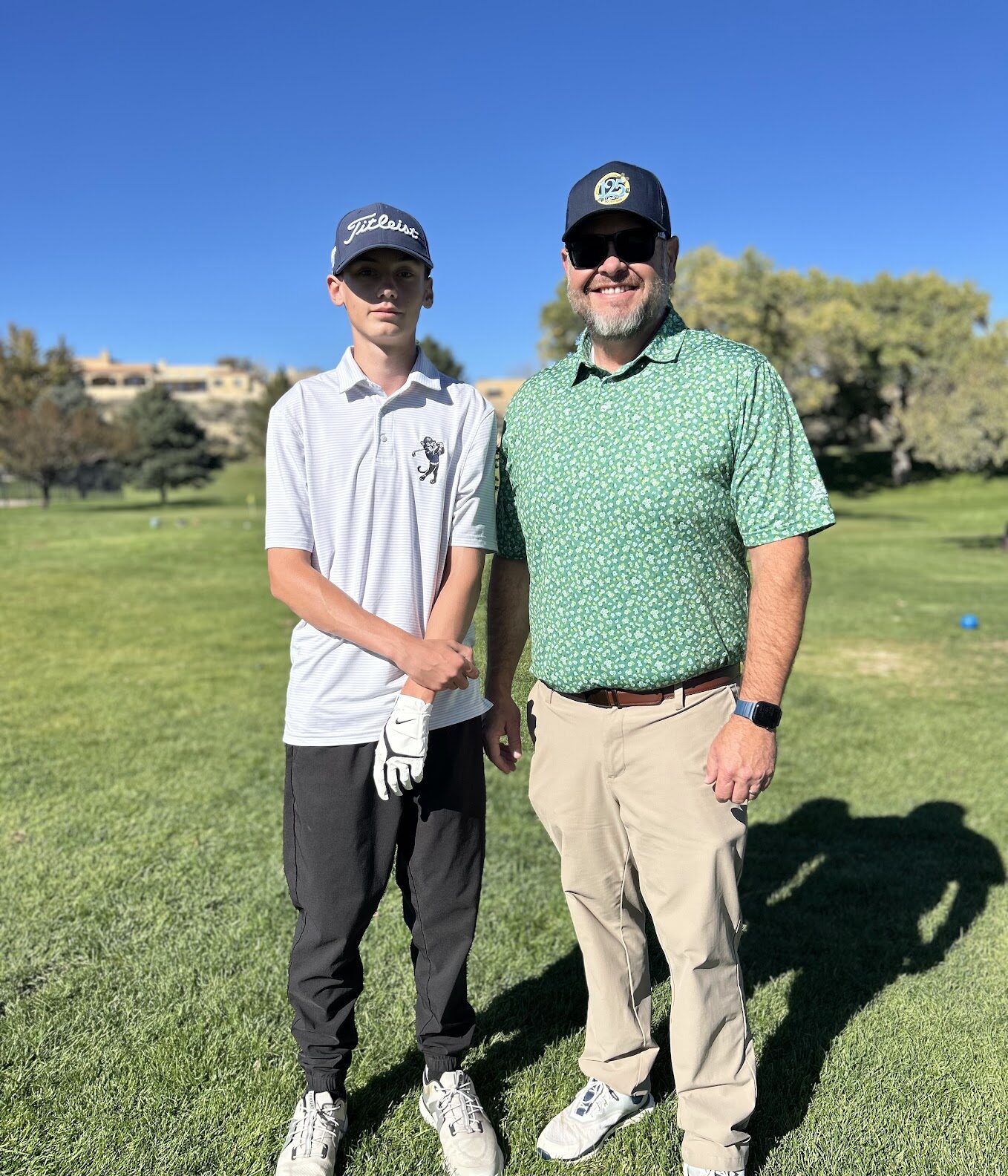
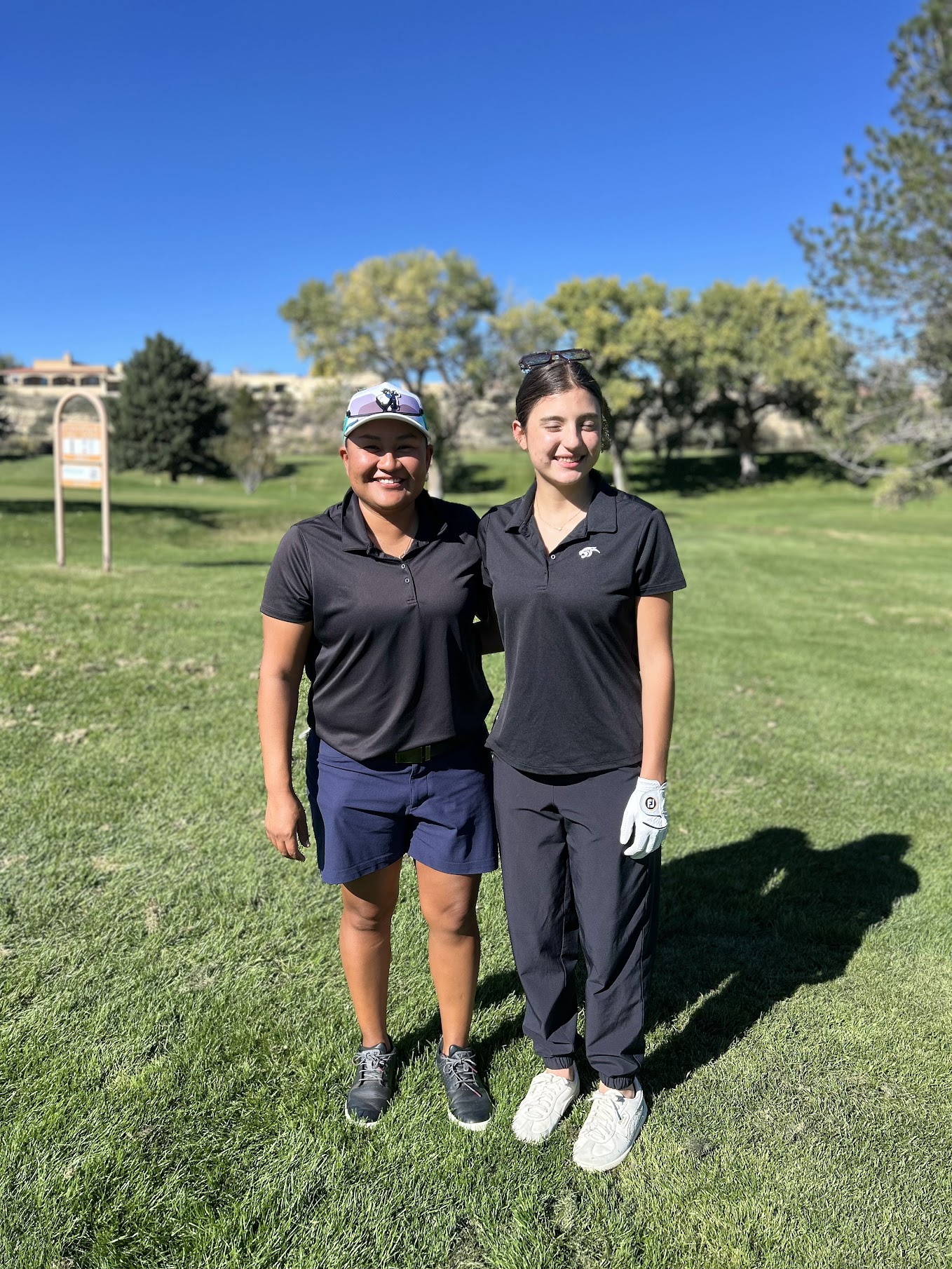
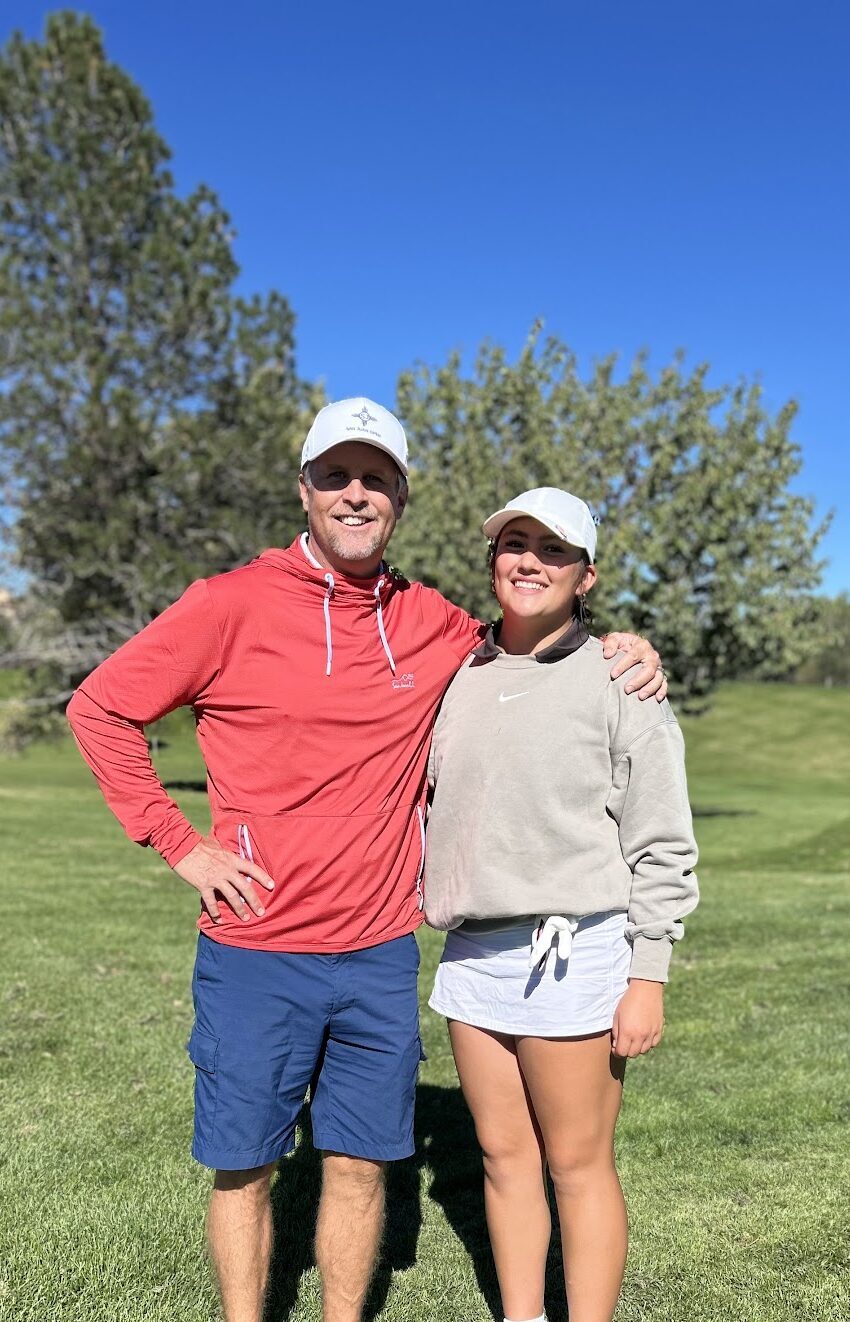
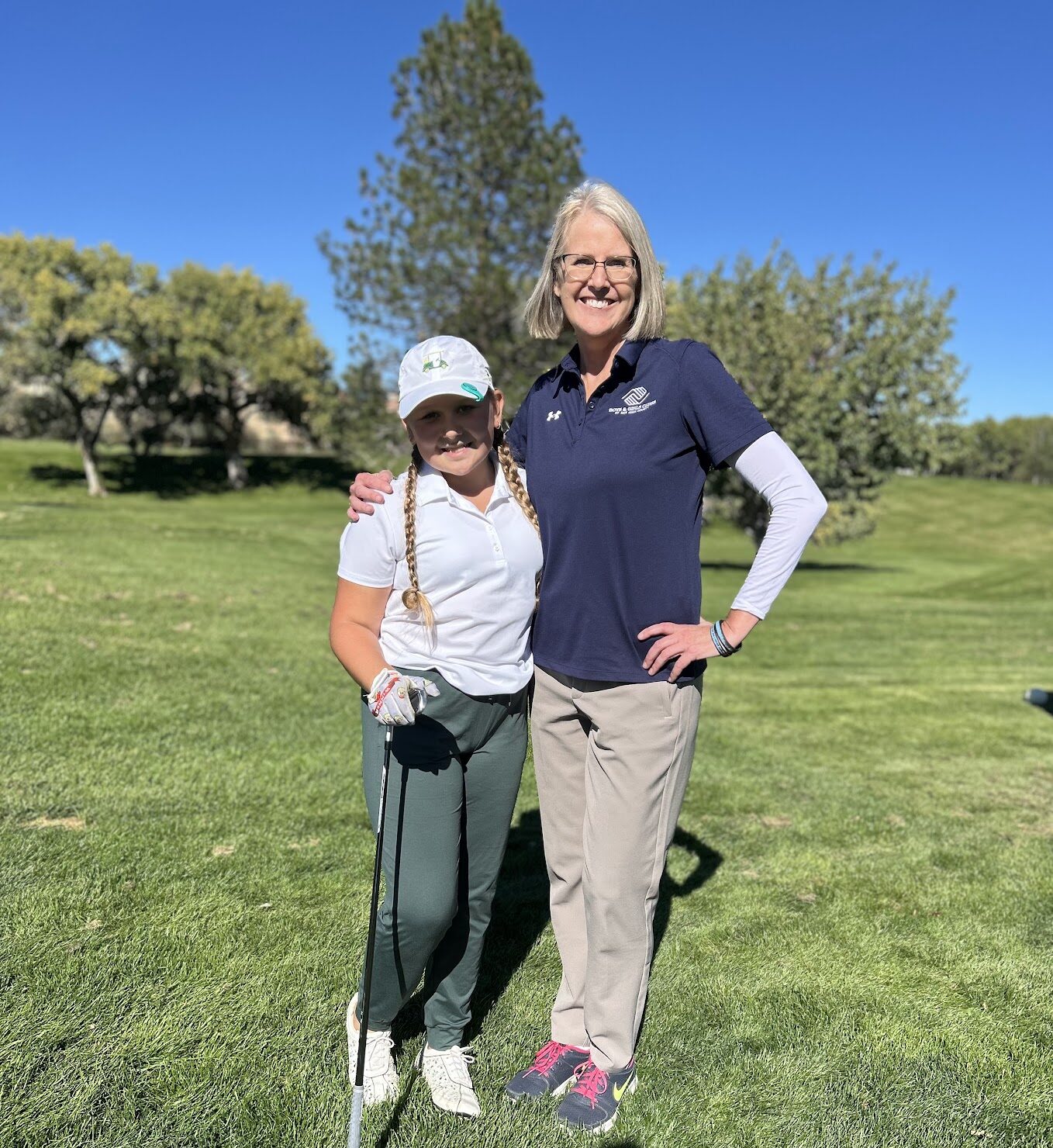
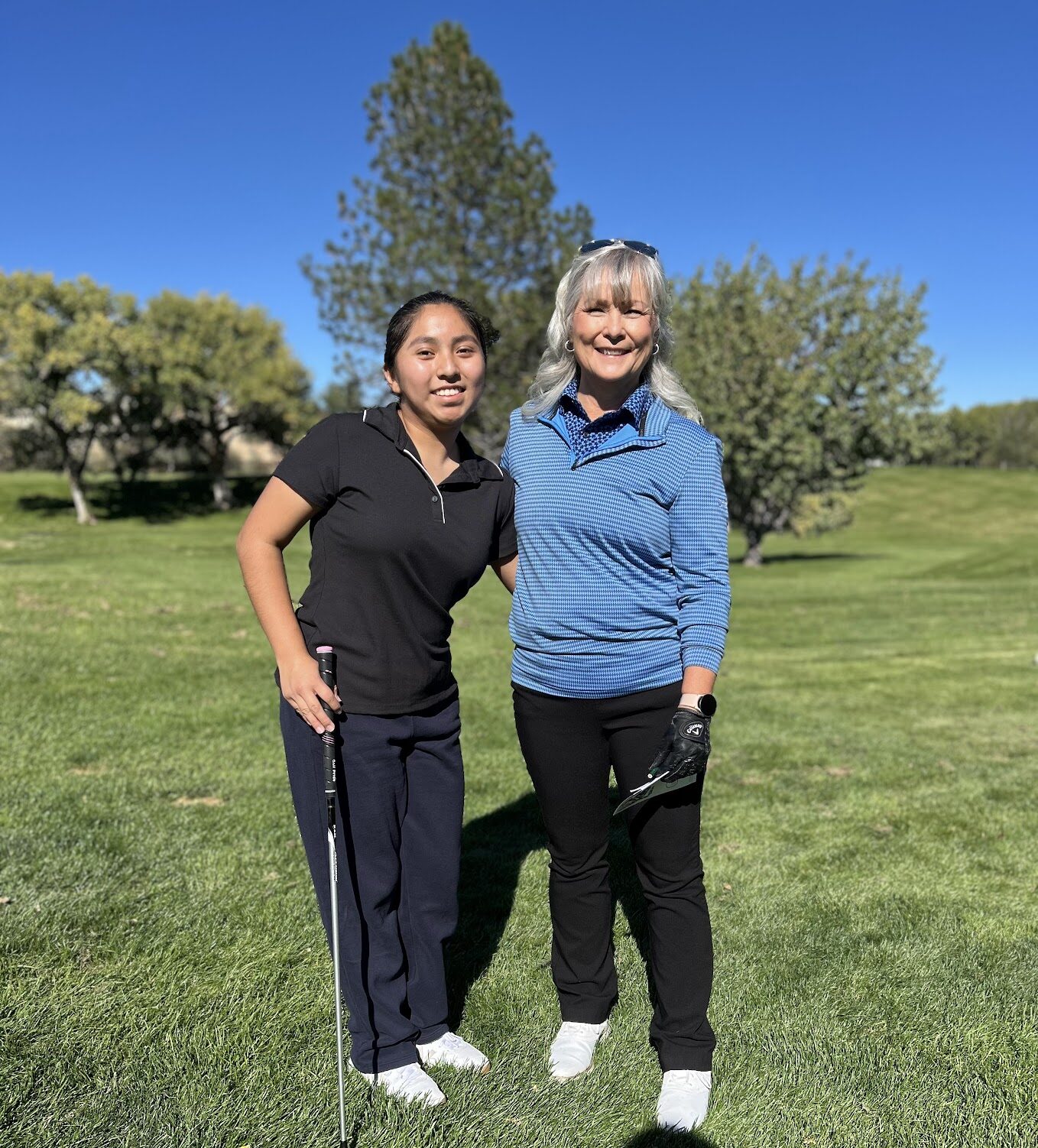
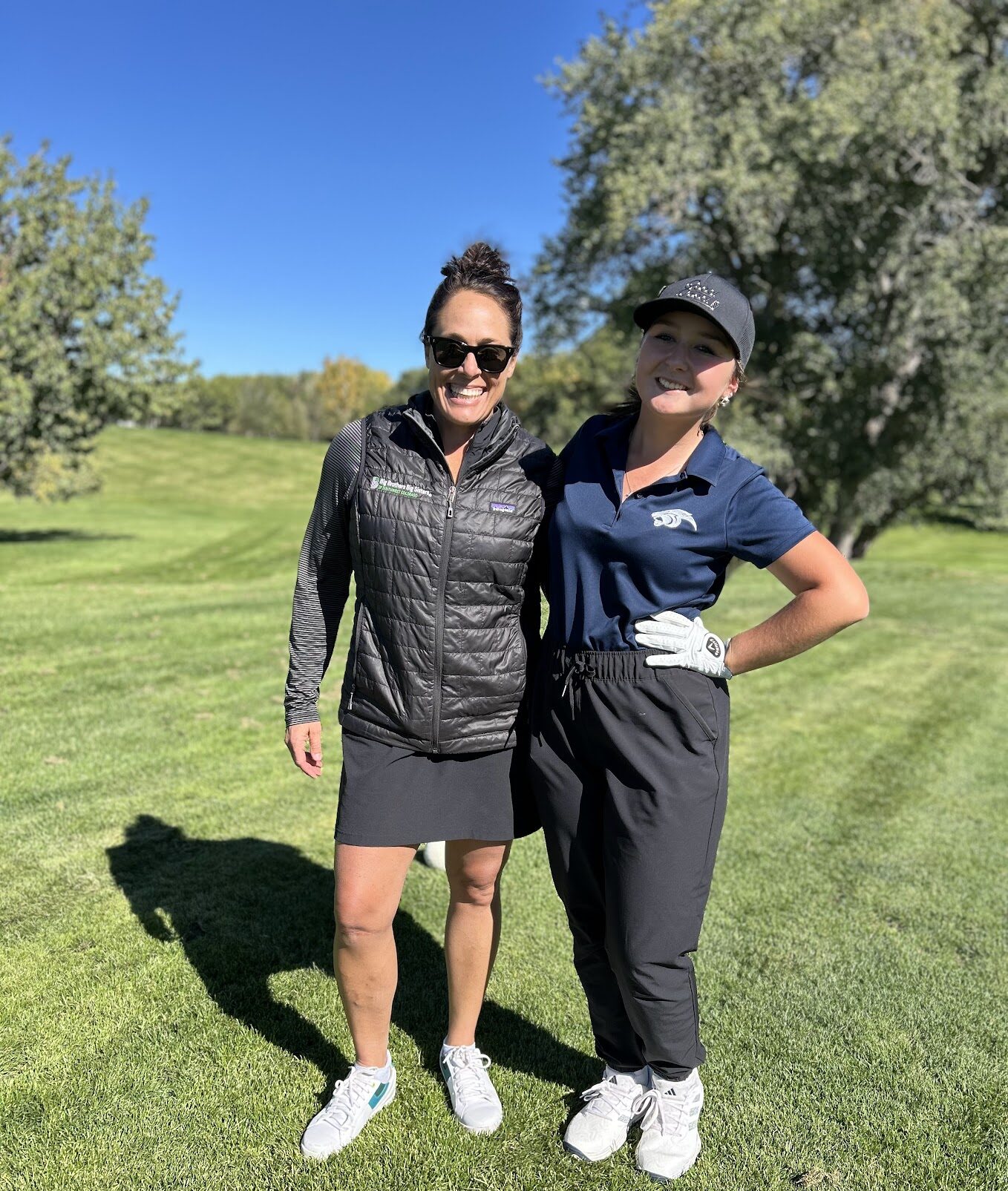
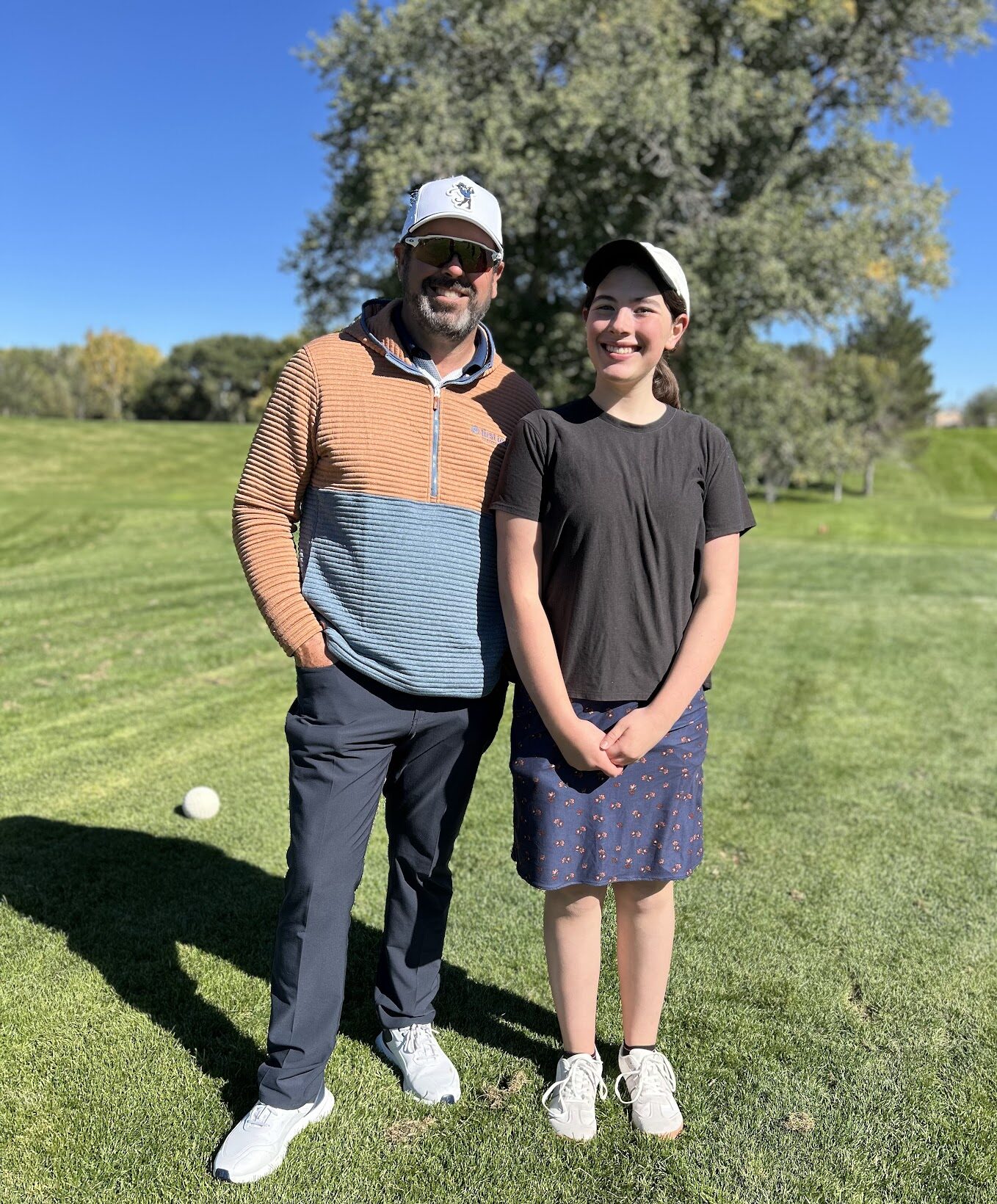
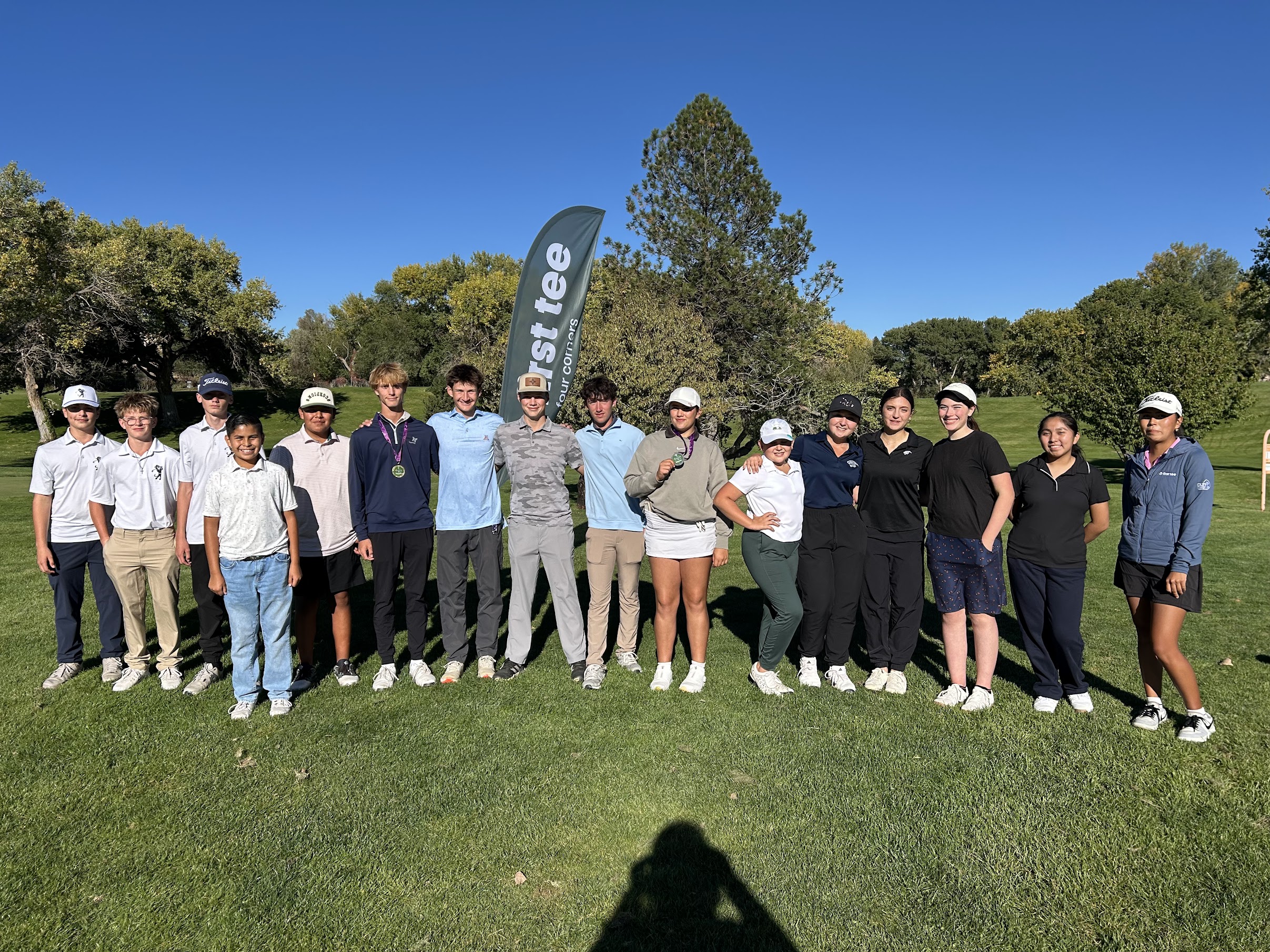
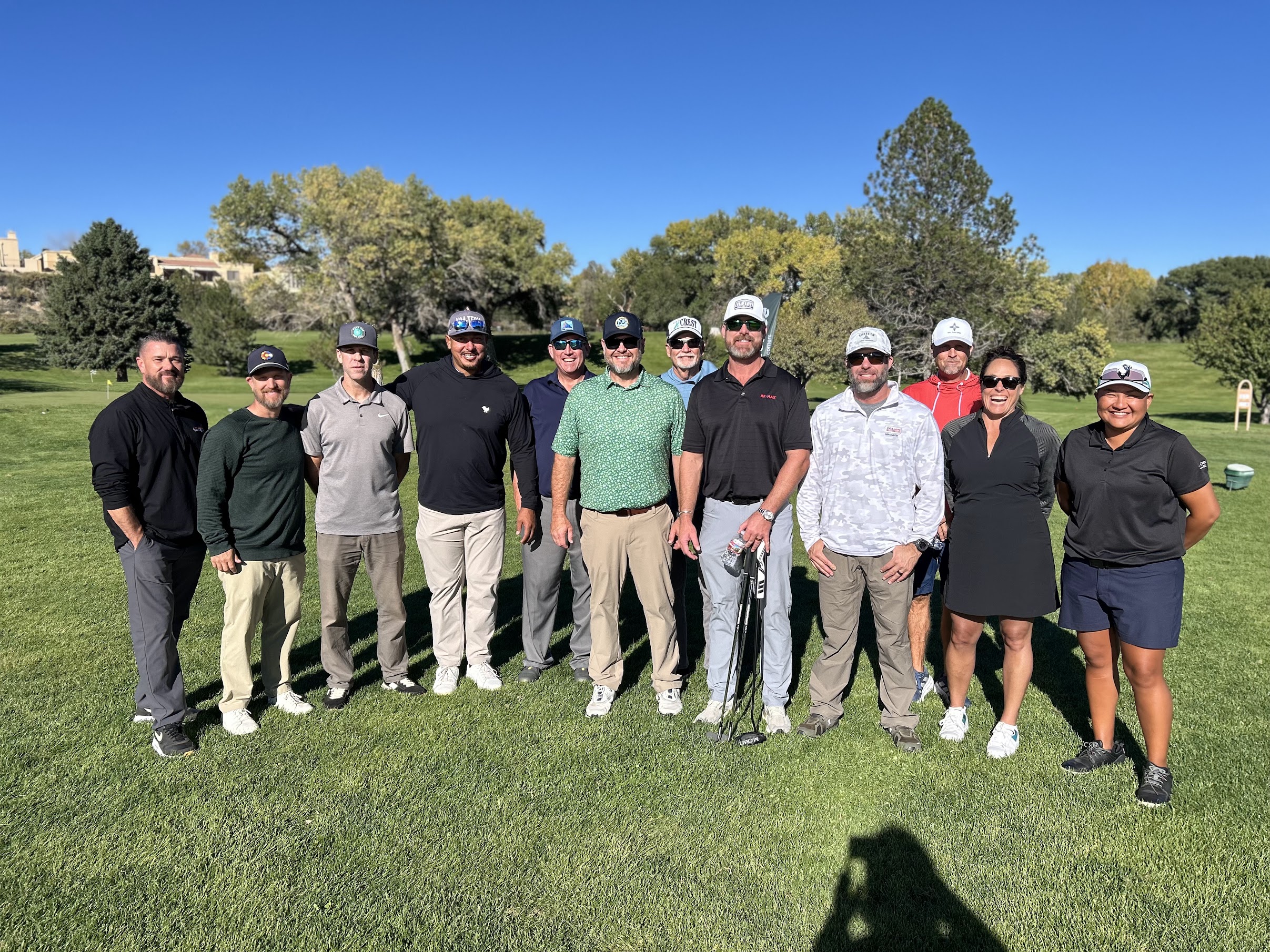
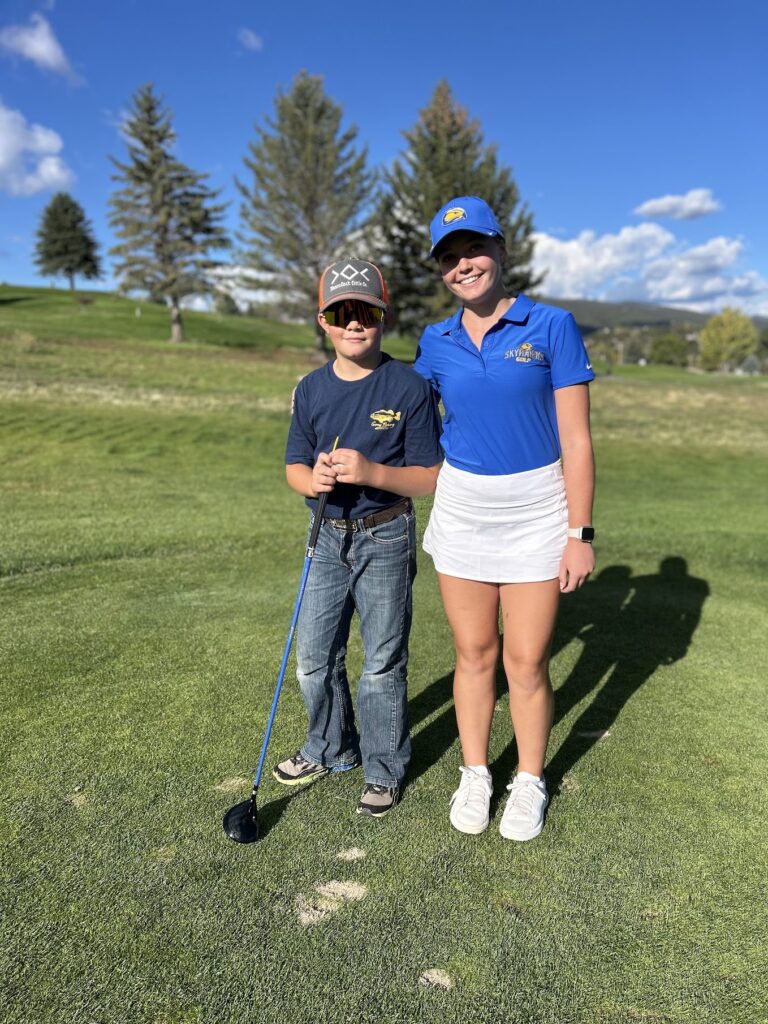
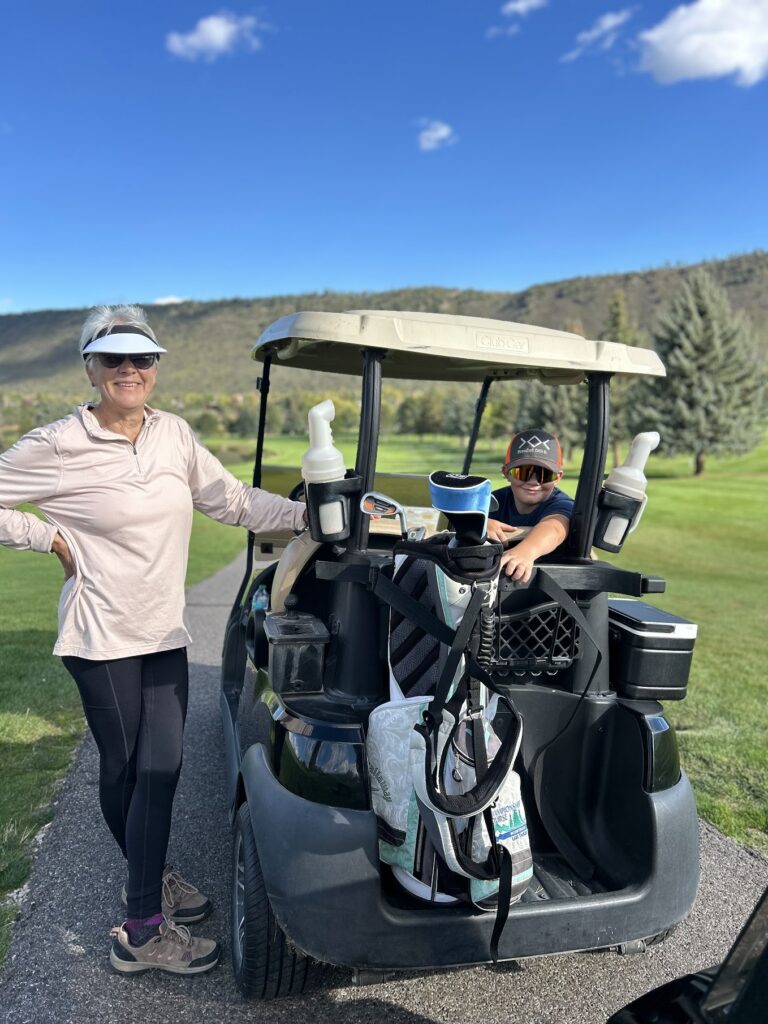
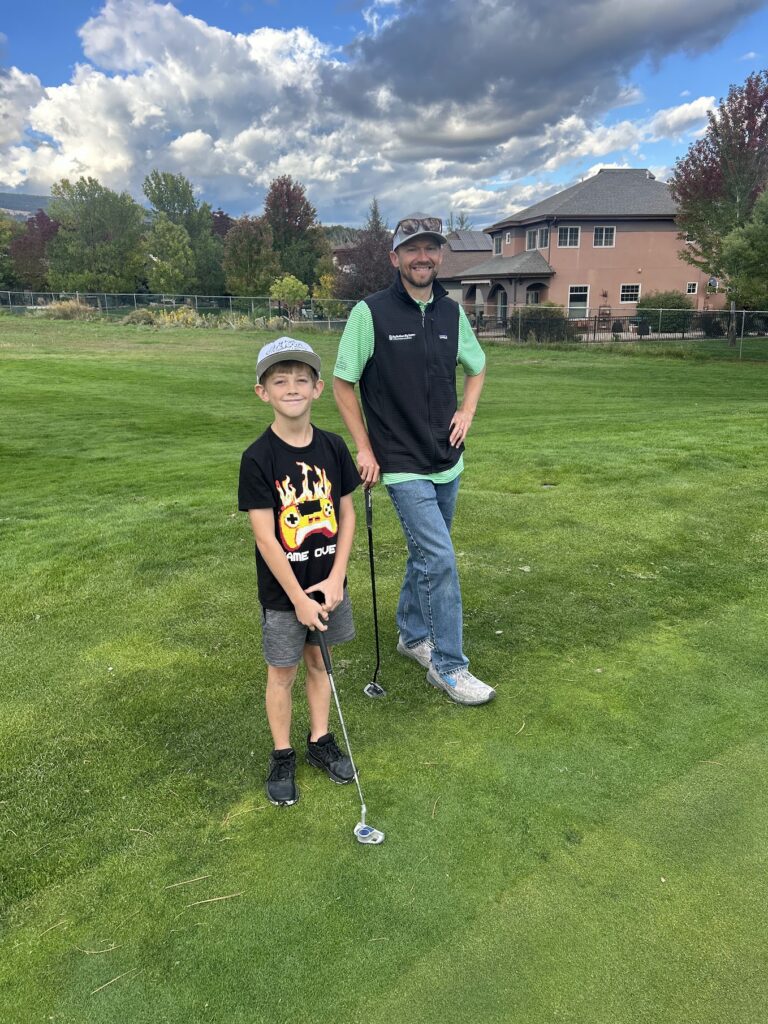
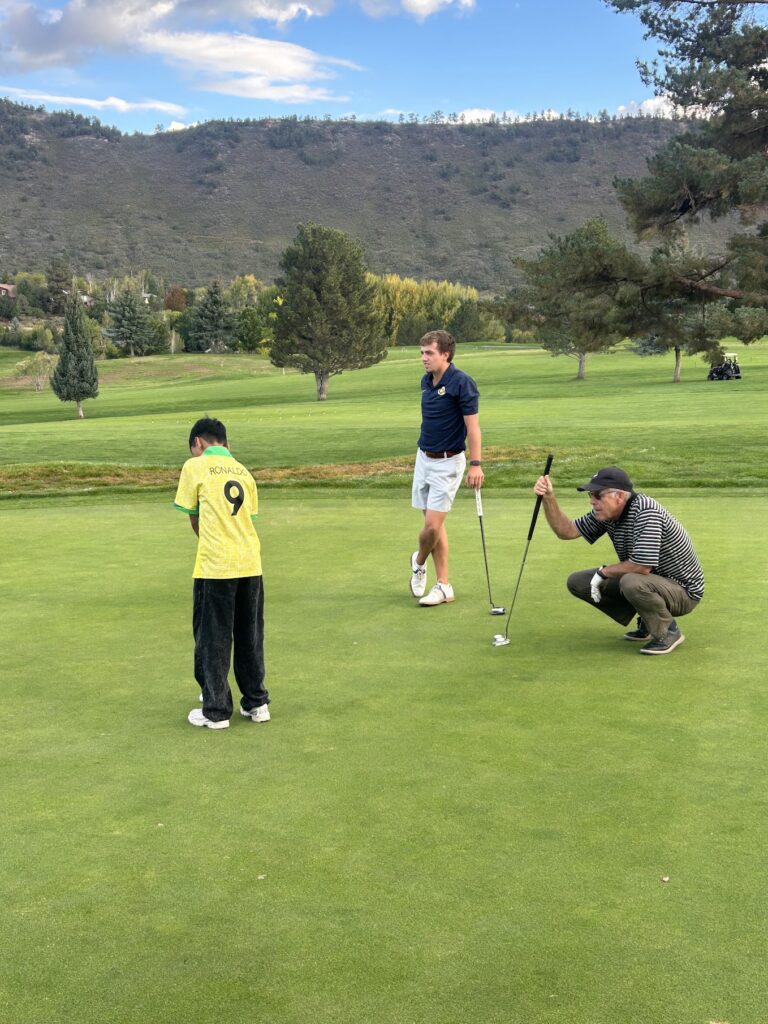
First Tee – Four Corners celebrated its 8th Annual Leadership in Action, an event that brings together our outstanding participants and local community leaders for a unique experience centered on mentorship, leadership, and the game of golf.

Leadership in Action provides an opportunity to showcase our participants while giving them a chance to put the life skills they learn through First Tee into practice. Playing alongside community leaders in a relaxed and supportive setting, participants build confidence, strengthen communication skills, and develop meaningful connections with people who are making a difference in our community.

“Mentorship is a key element of what we teach at First Tee, and Leadership in Action brings that lesson to life,” said Tina Pacheco-White, Executive Director of First Tee – Four Corners. “Our participants have the opportunity to practice their communication and leadership skills while learning from people who are investing in the next generation. Just as importantly, they get to experience firsthand the power of mentorship and what it means to give back to their community.”

We are grateful to the community leaders who invested their time and shared their experiences with our participants. Their involvement reinforces one of the most important lessons we teach: great leaders help develop the next generation of leaders.

National Bullying Prevention Month: Teaching respect on and off the course 

October is National Bullying Prevention Month. While it’s important to have conversations about bullying, many parents turn to extracurriculars to help reinforce values like respect, honesty and collaboration. 

According to research from First Tee and The Harris Poll, parents agree youth sports can impact their child’s ability to work well with others (89%) and to be resilient in the face of challenges (84%). Eighty-eight percent of parents with coached children say their child has become more likely to speak up for themselves in other areas of life since participating in coached sports. 

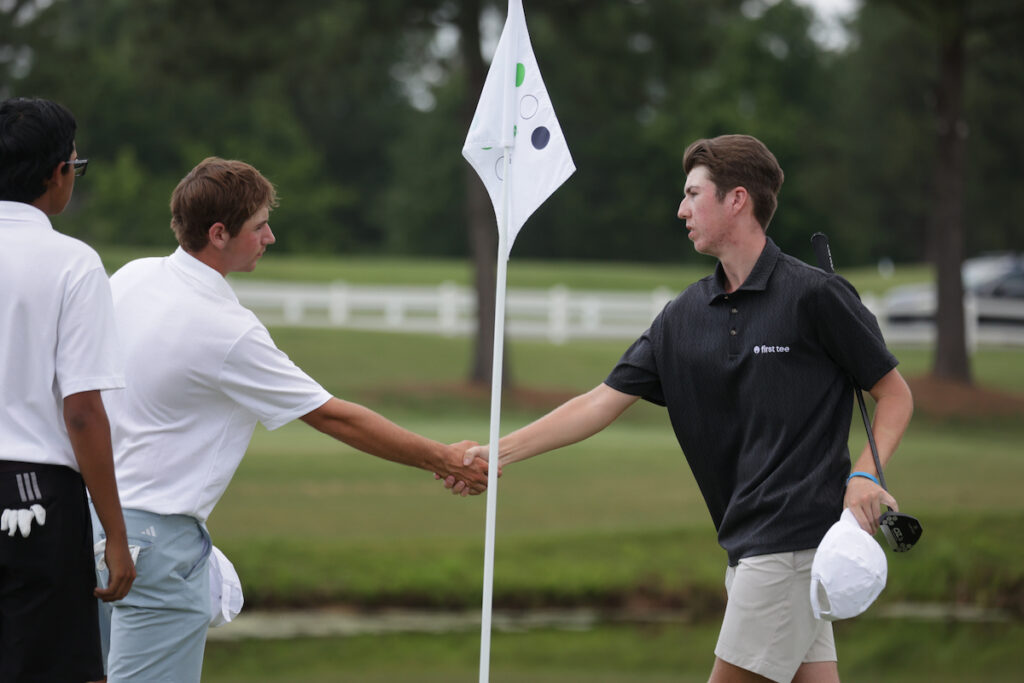
Golf offers an unusual advantage here. It’s one of the only youth sports where players are expected to call their own penalties, tend to their opponents’ etiquette and shake hands after every round regardless of the score. Respect and integrity are built into the structure of the game itself. That makes them easier to teach and to practice. 

At First Tee, we encourage participants to embrace the five key commitments, which include collaborating with others, using good judgement and building positive self-identity. 

Two participants at the First Tee National Championship shake hands after final putts.

Encourage courtesy to become second nature. One of the great things about golf is that players learn to fix their divots, quiet down when others are teeing off and shake hands after every round. Thinking of others and how your behavior impacts them starts to become natural. 

These habits don’t have to stay on the course. The same instinct that tells a young golfer to rake a bunker can show up at school when they show respect to teachers and classmates.  

At First Tee, coaches teach meeting and greeting skills, helping participants get off on the right foot and build friendships from the start. The curriculum also covers CARE to help resolve conflicts: Communicate, Actively listen, Review options and End with a win-win solution. 

Fair play starts with speaking up. Junior golfers are taught that everyone contributes to a fun and fair round. It can be difficult to challenge an opponent on score or ruling, but young golfers learn that it’s the right thing to do. Praise your child’s character when they speak up on the course and encourage them to carry the same principles into the classroom. 

Model it visibly. Kids absorb how adults treat officials, other parents and coaches far more than they absorb what adults say about kindness. Keep this in mind next time a ruling goes against your child. 

Respect and courtesy need repetition until they become instinct. Learn more about National Bullying Prevention Month. 

From shy camper to confident coach: Rebeka Filko’s First Tee journey 

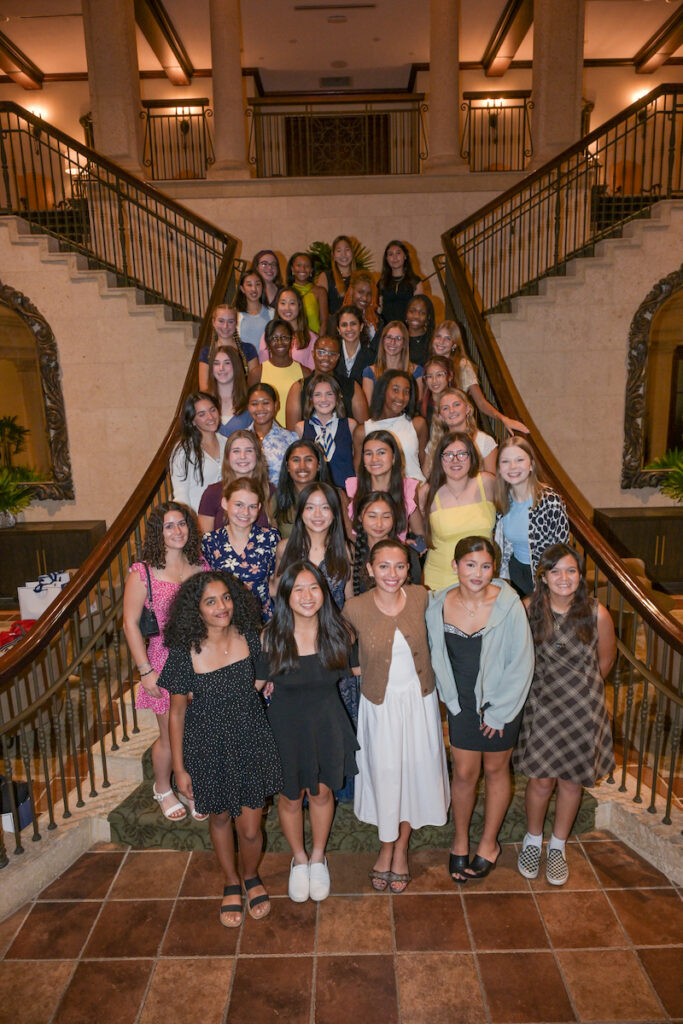
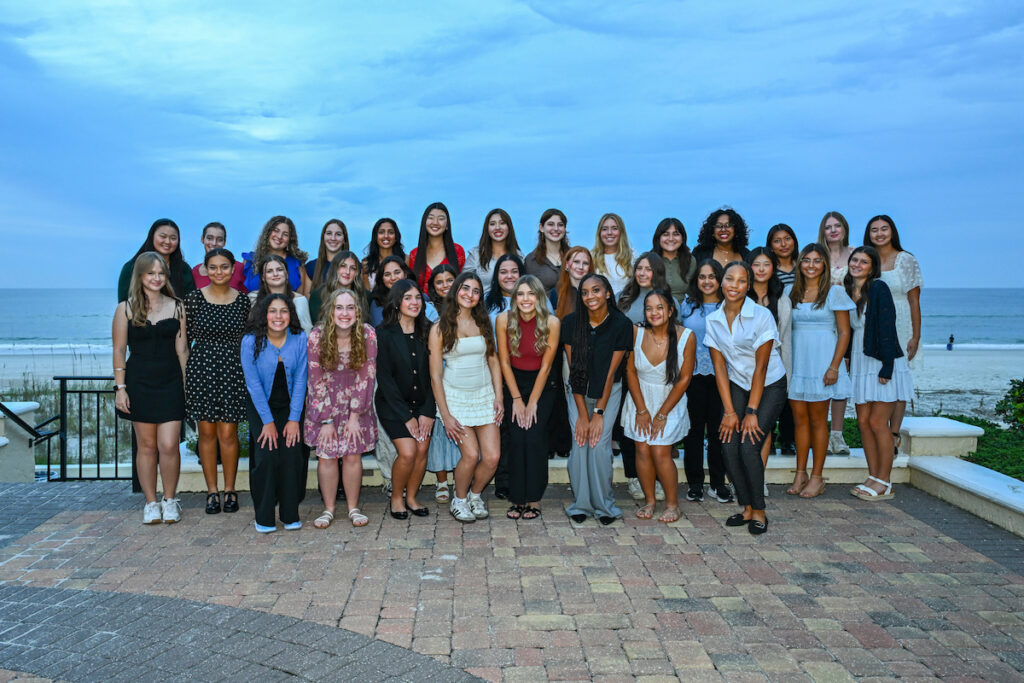
Thirty-six girls attended the 2026 First Tee Girls' Academy, with a welcome dinner at TPC Sawgrass.

When Rebeka Filko first stepped onto a First Tee – Sarasota/Manatee golf course, she was 6 years old, newly arrived from Slovakia and barely spoke a word of English. Her family was in town visiting from overseas, and her parents signed Rebeka and her sister up for Girls’ Golf Summer Camp. 

Nine years later, Rebeka is one of her chapter’s most dedicated junior coaches, a varsity golf team captain and one of this year’s First Tee Girls’ Academy participants. 

“I genuinely don’t think I would’ve achieved even half the things I have done if it wasn’t for First Tee,” she said.

Finding her voice 

Now a high school sophomore, Rebeka describes herself as a reserved kid growing up — so quiet that many of her classmates didn’t even realize she spoke English. First Tee became the place where that started to change, she said. 

“The coaches were always so open and bubbly, and they gave me the confidence to keep opening up,” Rebeka said. She decided she had two choices: stay quiet or push herself to connect with new people. She chose the latter, a decision she credits with reshaping far more than her golf game. 

Rebeka began volunteering as a junior coach at age 12 and now does so nearly every Saturday morning, helping lead games, teach fundamentals and keep classes on track.  

Leadership on and off the course 

Rebeka’s drive to serve others extends well beyond the golf course. She was central to launching the girls’ golf team at her middle school, helping to recruit and mentor teammates who had never picked up a club before.  

She now holds a leadership role in her school’s Fellowship of Christian Athletes chapter and volunteers with her church’s children’s ministry, where she says she’s learned what it really means to make someone feel seen.  

She further honed her leadership skills at the First Tee Girls’ Academy, where female mentors led workshops on topics like networking, building confidence and advocating for yourself and others. 

Rebeka aims to become a pediatric surgeon, a goal she’s already building toward with advanced coursework in math and science. She sees a direct line between that ambition and her years at First Tee. 

“Because of First Tee, I found my voice,” she said. “It gave me the confidence to build friendships with people that are now some of the best people, I have become a coach and even taken on leadership positions that I would have never even thought about.” 

Learn more about the First Tee Girls’ Academy and find a First Tee chapter near you. 

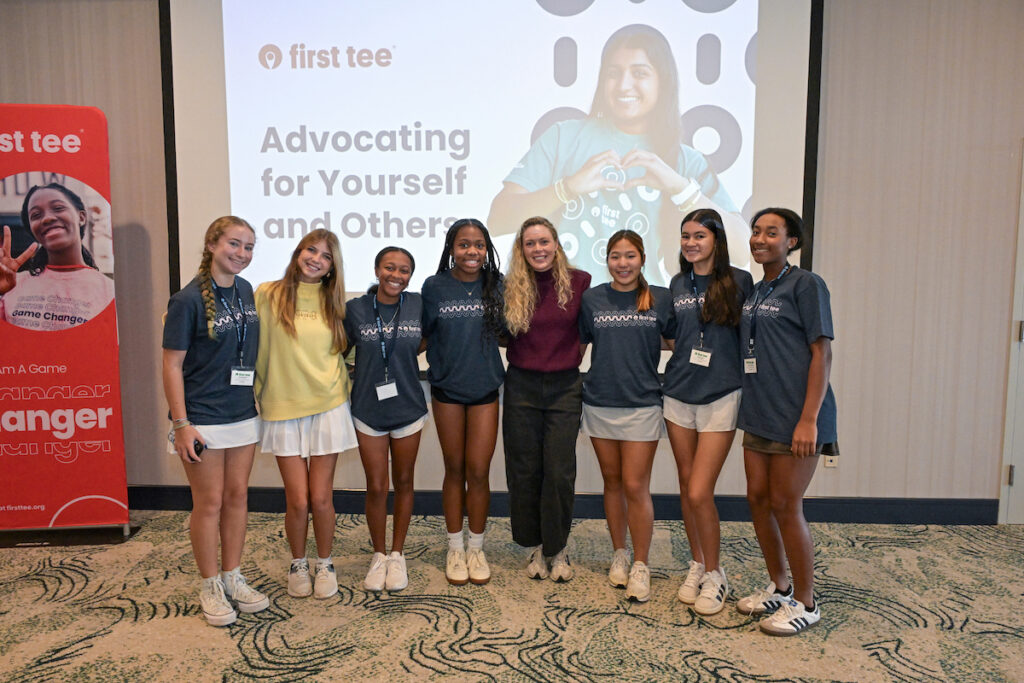
Attendees at the First Tee Girls' Academy pose with speaker Katie Goepel of the PGA Tour.

First Tee Girls’ Academy helps teen girls build confidence and leadership through golf

36 girls from across the U.S. gather in Ponte Vedra Beach to connect with female executives from PGA Tour, Johnson & Johnson, CapTech and more

PONTE VEDRA BEACH, Fla. (Oct. 8, 2026) – Thirty-six teens have gathered in Ponte Vedra Beach for the five-day program designed to help girls build self-confidence, expand their networks and learn to advocate for themselves and others — on the golf course and beyond. The annual female empowerment event will feature a golf activity, volunteer project and interactive sessions with keynote speakers.

During the event, participants take part in a golf activity alongside adult female mentors in a variety of fields, engage in interactive workshops facilitated by leaders at the PGA Tour, Johnson & Johnson and CapTech and take part in a volunteer opportunity at the Delores Barr Weaver Therapeutic Equestrian Center.

“First Tee is proud to offer an event to teen girls across our network who are learning about themselves, leadership and making lifelong connections through the game,” said Greg McLaughlin, CEO of First Tee. “This event – in its ninth year – continues to be an important time for us to surround them with powerful female leaders and mentors who share their journeys and inspire these teens toward meaningful futures.”

The program reinforces First Tee’s commitment to empowering girls through its programs, which are offered through 150 chapters across the country. Most First Tee chapters provide dedicated programming for girls, intentionally inviting and engaging them in a variety of opportunities.

“The First Tee Girls’ Academy is a vital initiative that helps young women build confidence, strengthen their leadership skills, and create meaningful connections,” said Katie Goepel, PGA Tour Vice President of Executive & Business Operations and a keynote speaker at the event. “I am honored to be part of this program, particularly because I have benefited from the guidance and support of so many great leaders and mentors throughout my career. Having the opportunity to pay that forward and help inspire the next generation of leaders is a privilege.”

Participants were selected for the First Tee Girls’ Academy through a national application process based on essays, letters of recommendation and involvement in First Tee and other activities. It is one of a full slate of participant events, ranging from golf tournaments to leadership workshops. For more information, visit https://firsttee.org.

First Tee congratulates Ambassador, alumnus Austin Smotherman on first PGA Tour victory

The former First Tee – Greater Sacramento participant won the Bank of Utah Championship at Black Desert Resort

PONTE VEDRA BEACH, Fla. (Oct. 7, 2026) – First Tee congratulates Austin Smotherman on his first PGA Tour victory at the Bank of Utah Championship, held October 1-4 at Black Desert Resort in Ivins, Utah. Smotherman finished 26-under, claiming the title by two strokes in his 100th career Tour start.

Smotherman’s road to the winner’s circle traces back to First Tee – Greater Sacramento, where he spent 10 years as a participant, beginning at age 7. The lessons in resilience and character he developed through the program have remained part of his approach to the game and to competition.

“[First Tee – Greater Sacramento] gave me everything, all the belief from such an early age, just that you’re going to be a good person, good human, and go use this game for a lot more than just cashing a check every week playing professionally,” Smotherman said in a post-tournament news conference.

Since signing on as First Tee’s inaugural Brand Ambassador in 2022, he’s led clinics, represented First Tee in interviews and displayed the nonprofit’s logo on his golf bag. This summer, Smotherman hosted a clinic for participants at the Game Changers Academy at the 3M Open, sharing his experience with the next generation of junior golfers.

“On behalf of everyone at First Tee, I extend my warmest congratulations to Austin for his victory at the Bank of Utah Championship,” said First Tee CEO Greg McLaughlin. “His story reflects exactly what First Tee strives to instill in young people. Over the last decade, he has demonstrated perseverance, patience and character on and off the course.”

Smotherman’s win secures him a two-year PGA Tour exemption and moves him to No. 51 in the FedExCup Fall Standings.

First Tee Ambassadors include Smotherman, professional golfer Alex Smalley, First Tee – Miami alumna and actor Kathryn Newton and actor Michael Pena.

Little Swing Brings Mentorship to the Course

Mentorship x Mentorship x Mentorship.

That’s what happens when First Tee – Four Corners and Big Brothers Big Sisters of Southwest Colorado come together for Little Swing.

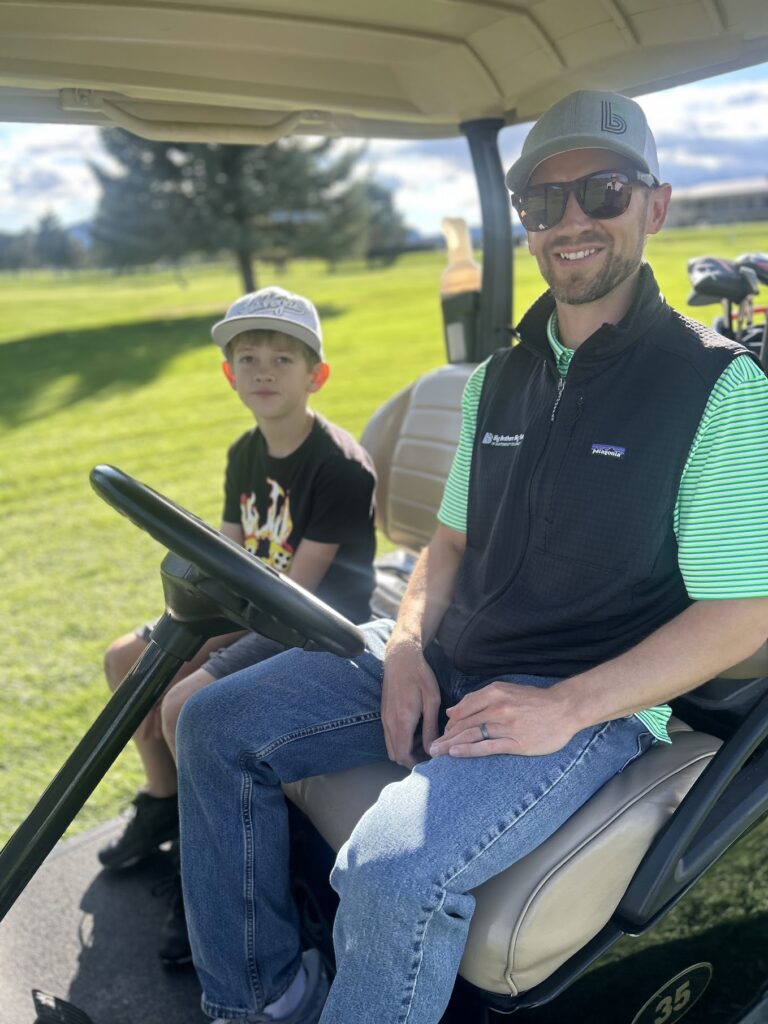
Now in its third year, Little Swing continues to grow as a unique partnership built around golf, relationships, and the power of positive role models. The program brings Bigs and Littles together for a series of golf skills clinics featuring games, team-building activities, and plenty of opportunities to learn and have fun together.

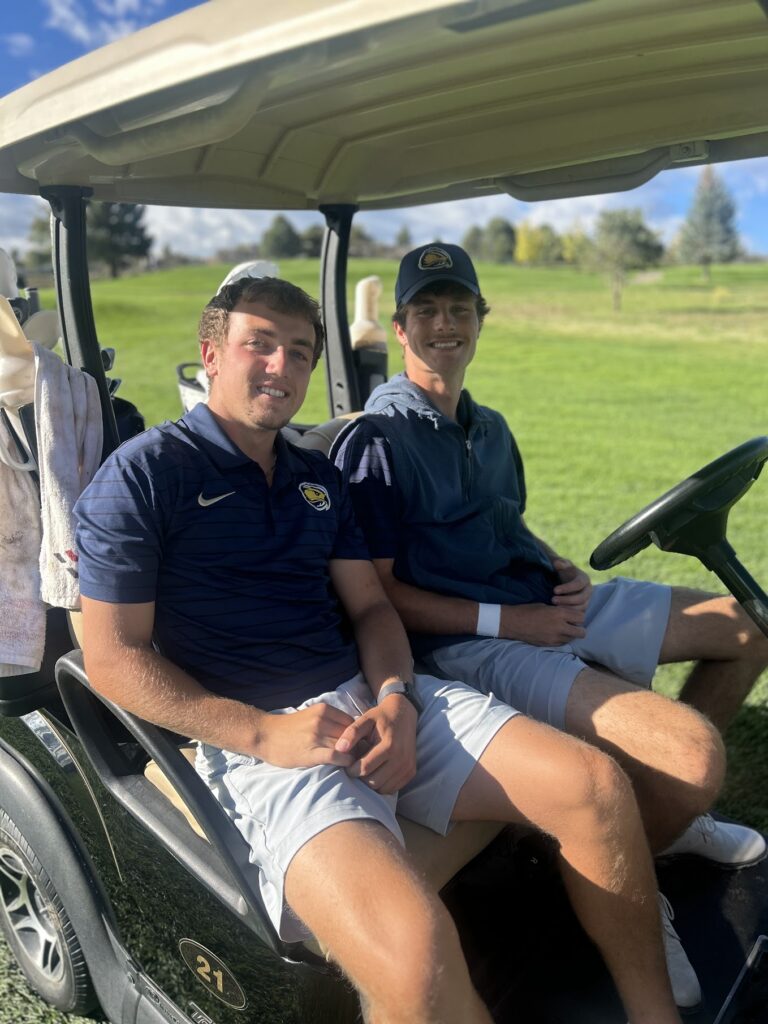
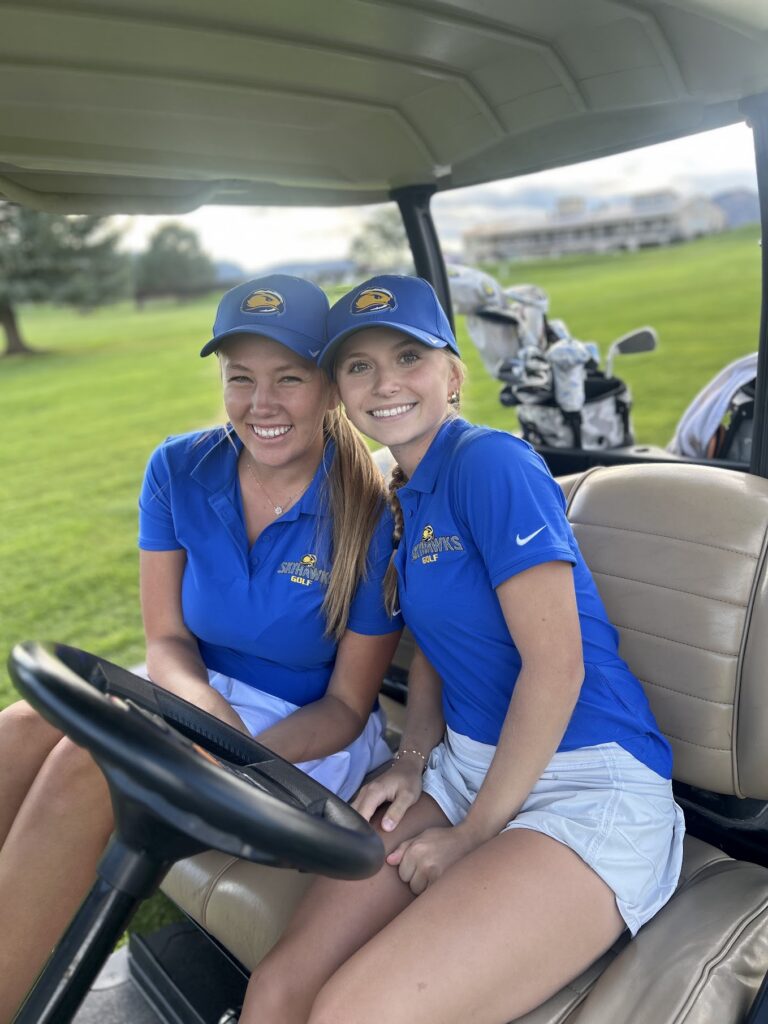
The program culminates with a special play event at Hillcrest Golf Course, where each Big and Little match is joined by a member of the Fort Lewis College golf team for a mini tournament. The college golfers add another layer of mentorship, encouragement, and connection while helping participants put their new golf skills into action on the course.

For First Tee – Four Corners Executive Director Tina Pacheco-White, that combination is what makes Little Swing so special.

“This partnership is such a natural fit because both of our organizations believe in the power of mentorship. Then, when the Fort Lewis golfers join us, our participants get to experience mentorship at another level. You see Bigs encouraging Littles, college athletes encouraging our matches, and everyone building relationships through golf. It is an amazing example of what can happen when organizations work together around a shared purpose.”

Little Swing is about much more than learning to play golf. It creates a welcoming environment where young people can build confidence, practice communication and teamwork, try something new, and strengthen relationships with the caring adults and mentors around them.

After three successful years, Little Swing continues to demonstrate that when you combine golf with great mentors, everyone wins.

What fall tryouts teach us about resilience 

October means fall sports tryouts are wrapping up in gyms, fields and golf courses across the country — and for every roster that gets posted, there are kids who didn’t hear their name called. For parents, that moment can stir up lots of feelings. It can also provide a valuable learning opportunity. 

At First Tee, we see failure as a First Attempt In Learning. Even the very best golfers lost more than they win, and our coaches have seen plenty of missed putts and unlucky bounces. What we’ve learned is that how a child responds to disappointment matters more than the disappointment itself. 

“Resilience isn’t something young people discover after a setback,” said Kristin Westberg, senior director of program evaluation. “It’s something we build into our curriculum with intention at First Tee, so they are prepared to approach these moments proactively rather than simply react to them.”

A teenage boy hits an iron during a golf tournament.

Let them feel it before you fix it. It’s tempting to jump straight to solutions like private lessons, extra practice or a pep talk. But it can be beneficial to give disappointment a few moments to exist. At First Tee, we call this “Growing through Challenge,” and it’s one of the key commitments are participants make to themselves. Kids who are allowed to feel frustration without a parent rushing to smooth it over tend to process it faster, not slower. 

Reframe the setback before it becomes the story. In a child’s mind, “I didn’t make the team” can quickly translate into “I’m not good enough.” You can help interrupt that train of thought with questions like: 

  • What went well in tryouts? 
  • What can we work on for next time? 
  • What other opportunities could this open?

Separate effort from outcome, out loud. A tryout result is one data point on one day. Help your child set some goals within their control. For example, there’s no guarantee they’ll make the golf team on their next try, but they can still feel proud if they meet their standards – whether that means hitting 200 balls per week in practice or committing to a consistent pre-shot routine. 

Treat resilience as a skill. It might feel like some kids are naturally more positive or less competitive than others. But just because your child takes their sport seriously doesn’t mean they can’t learn to make the most of setbacks. Resilience isn’t a personality trait but a learned skill. Encouraging your child to take healthy risks, especially when success isn’t guaranteed, can show them it’s not only alright to fail or make mistakes, but it’s inevitable. You’re giving your child a gift by teaching them to cope with the resulting feelings when the stakes are low. 

Tryout season ends. But the skill of bouncing back will always be useful. 

First Tee teaches concepts like FAIL and other meaningful life skills through golf at more than 1,500 program locations across the country. Find a location near you or support our efforts by becoming a First Tee Ambassador.

How First Tee – Greater Pasadena found support after the Eaton Fire

First Tee - Greater Pasadena hosted community events for families impacted by wildfires

When the Eaton Fire swept through Altadena in January 2025, it left a lasting mark on the First Tee – Greater Pasadena community.

More than a year later, recovery is still underway. Some families have had no choice but to sell their homes and relocate. Local estimates suggest some homes in the area will not be rebuilt until 2028, and Altadena Golf Course remains unusable. As First Tee – Greater Pasadena program director Mark Fritz put it, “the community still has need for us as a chapter to provide our services and resources to families.”

Facing the loss of a program site and roughly $30,000 in equipment and supplies stored at Altadena Golf Course, the chapter moved quickly. Programming was paused for just two weeks before relocating to other local courses and parks less affected by the fire, including Brookside Golf Club and Eaton Canyon Golf Course, which returned to full operation by summer 2025. In total, the chapter relocated 70 percent of its programming and added three new sites, expanding its reach in the process.

Community coming together

Support from The Toro Company’s Growing the Game Through Access & Inclusion Grant played a direct role in that response, helping the chapter replace lost equipment and keep programs running for the families who needed them most. “This grant and funding from other golf organizations and supporters allowed us to not miss a beat,” Fritz said.

First Tee - Pasadena provided backpacks of gear to families impacted by wildfires

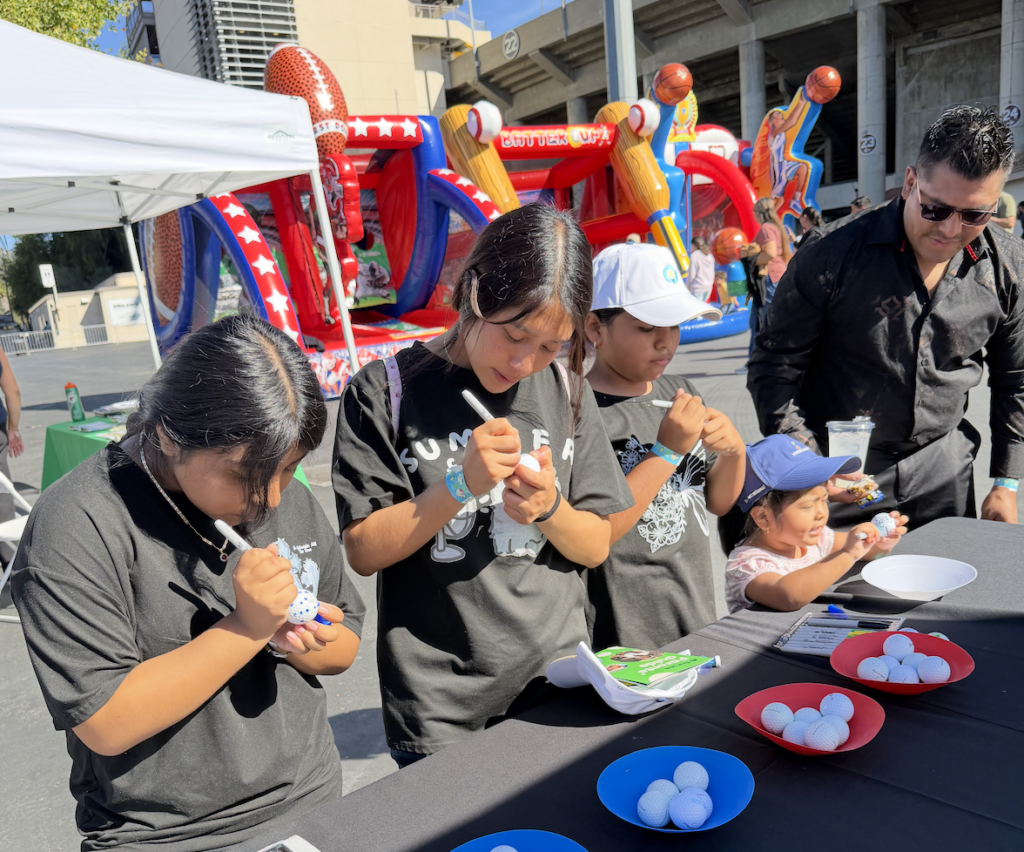
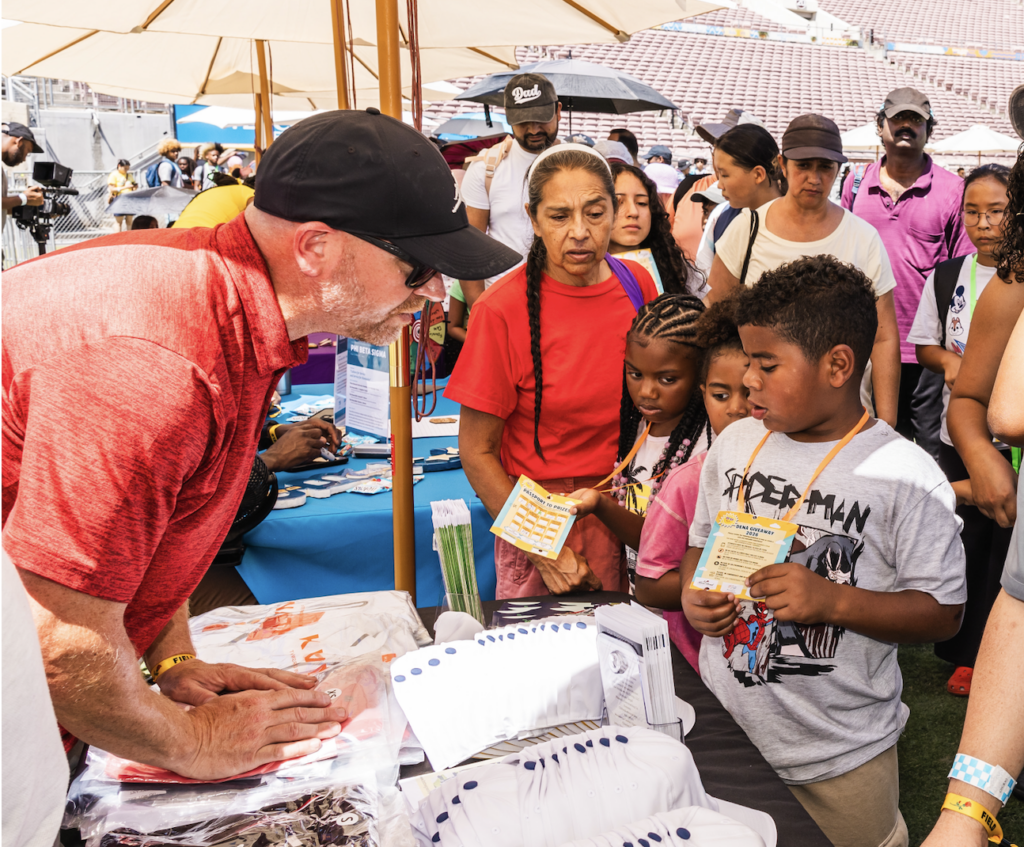
With support from The Toro Company, the chapter also used existing community touchpoints to reach displaced families. Through backpack giveaway events at the Rose Bowl and National Night Out, First Tee – Greater Pasadena has connected with families affected by the Eaton Fire and those attending Title I schools, promoting its program to more than 3,000 families this summer alone.

Nearby First Tee chapters across Southern California also stepped in to help: First Tee – Los Angeles offered programming space, while First Tee chapters in Orange County, Coachella Valley, San Diego and the Inland Empire organized club drives to help replace equipment for kids who lost gear in the fire. Local country clubs hosted donation days where members brought in used clubs, and Roger Dunn Golf Shops cut them down to fit young players. East West Bank funded a clinic and lunch for families who lost their homes, with more than 100 people attending the free event.

“This event demonstrated a very strong community collaboration involving the First Tee network and chapter supporters,” said First Tee – Greater Pasadena master executive director Bob Baderian.

Looking ahead

First Tee – Greater Pasadena is now planning to extend its reach further into the community it serves. In 2026, the chapter will launch a golf program with the Pasadena Unified School District, piloting at San Rafael Elementary with fifth graders. The program will culminate in a golf clinic at Brookside and a tour of the Rose Bowl. The chapter plans to bring the model to two to three additional PUSD elementary schools in 2026.

None of this recovery happened in isolation. From The Toro Company’s grant support to donated time, space and equipment from nearby chapters, businesses and community organizations across Southern California, First Tee – Greater Pasadena’s response to the Eaton Fire reflects what the chapter’s leaders describe as the strength of the First Tee community. As the Altadena community continues its long rebuild, that network of support remains in place.

Winners of Greater Pasadena's Chapter Cup pose at Brookside Golf Course